Horse racing may be decided in a matter of minutes, but the business that supports each racehorse can continue for years. Behind every runner at a race meeting is an economic chain stretching from breeding farms and training yards to veterinary clinics, feed suppliers, transport companies, racecourses, broadcasters and hospitality businesses.
The financial side of racing has become increasingly complex as the sport evolves from a traditional competition into a large entertainment and wagering industry. Prize money remains one of the most visible financial elements, but it represents only part of the money circulating through racing.
For breeders, the process begins well before a horse reaches a racetrack. Selecting a stallion and broodmare involves decisions based on pedigree, physical characteristics, racing history and commercial demand. Once a foal is born, expenditure begins on nutrition, veterinary treatment, land, labour and education. A young horse may pass through several stages of development before becoming a professional racehorse.
Training creates another layer of economic activity. A racing stable has ongoing costs that can include staff wages, feed, farrier services, veterinary care, transport and training facilities. Owners therefore face a long period of expenditure before knowing whether a horse will become competitive enough to generate prize money or future breeding value.
That uncertainty is one of the defining characteristics of the racing economy.
A horse can have an impressive pedigree and still fail to perform on the track. Another horse purchased with modest expectations can develop into a valuable competitor. Bloodstock markets consequently operate on a combination of history, assessment, reputation and risk.
Race day itself introduces another set of businesses.
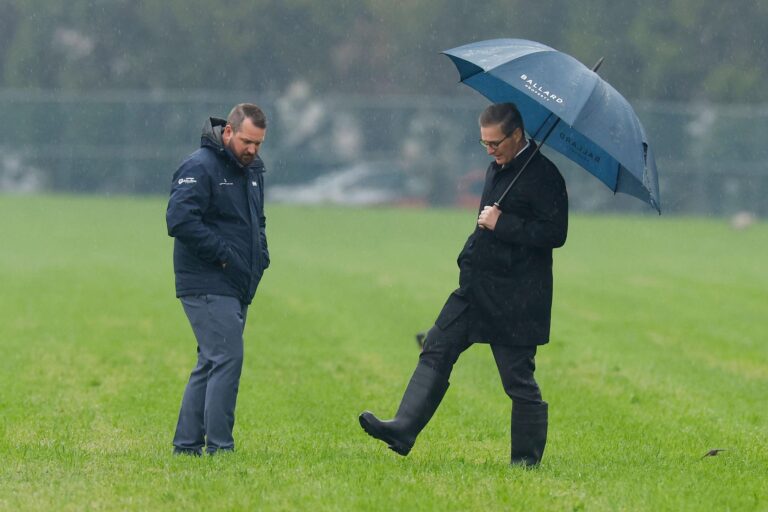
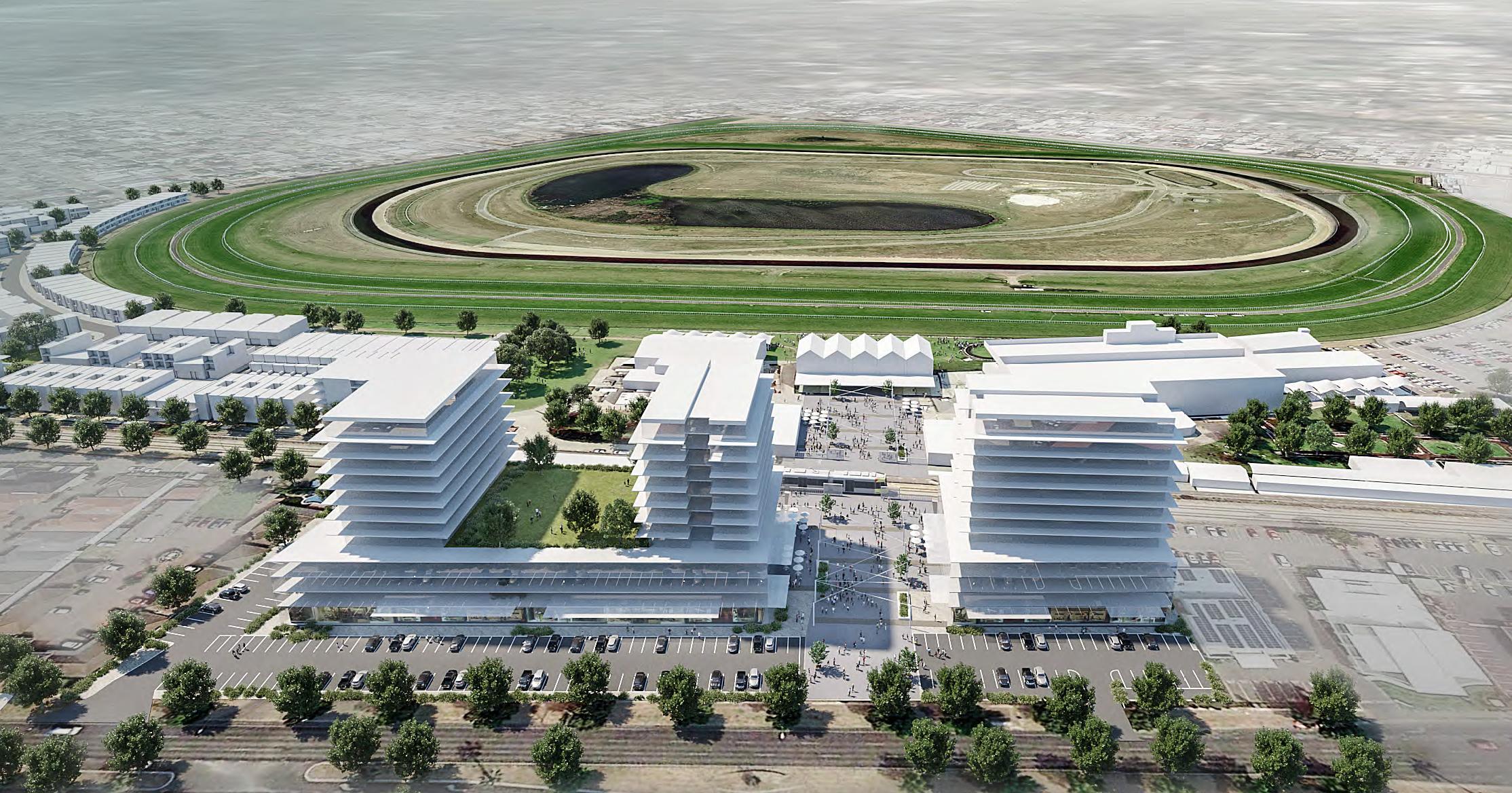
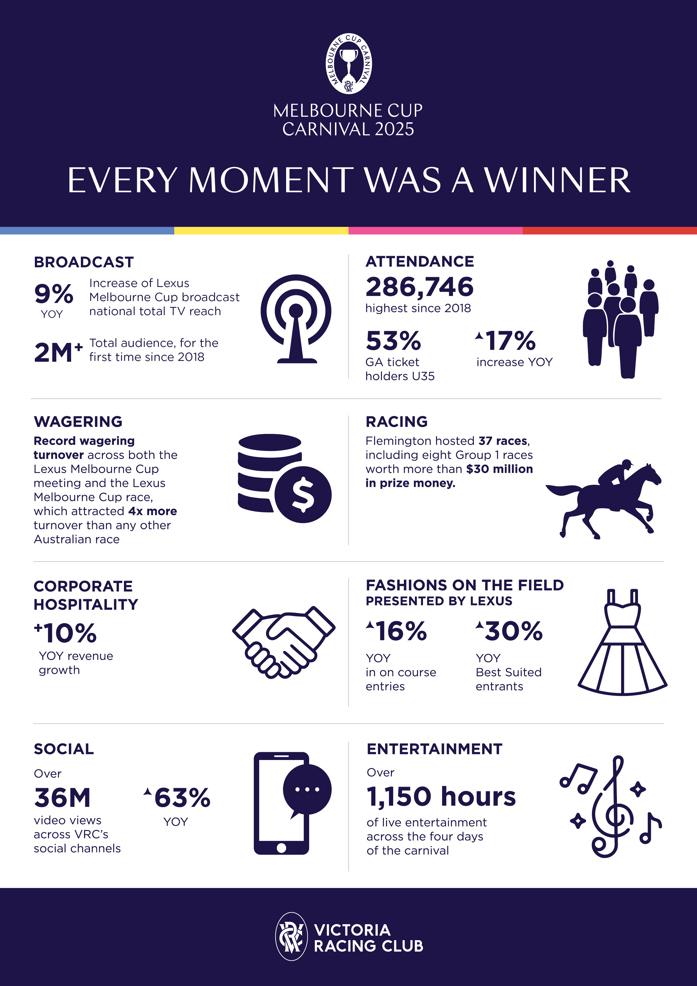
Racecourses employ large teams to prepare the grounds, maintain facilities, manage ticketing and hospitality, coordinate security and support racing operations. Food and beverage providers benefit from the crowds, while major meetings can generate significant commercial activity through sponsorship and corporate hospitality.
The wagering sector is another major part of the broader ecosystem. Betting activity creates revenue streams connected to operators, media organisations, technology providers and racing bodies. At the same time, racing administrations rely on regulatory frameworks designed to maintain the integrity of competition and protect participants.
Broadcasting has also become increasingly valuable.
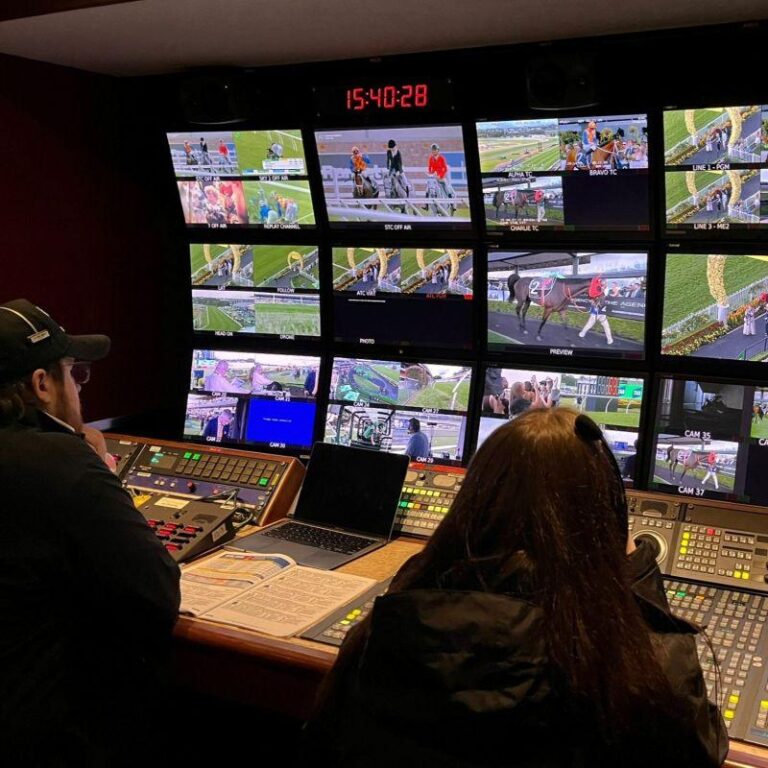
A race is no longer consumed only by spectators standing beside the track. Television, online streaming, digital racecards, social media and video analysis allow a single event to reach audiences far beyond the physical venue. That expanded audience creates opportunities for advertising, sponsorship and digital partnerships.
The economic impact can extend beyond major metropolitan racecourses.
Regional race meetings can bring visitors into towns that might otherwise receive limited tourism activity. Hotels, restaurants, fuel stations, transport providers and local retailers can all benefit when large groups of participants and spectators arrive for an event.
This makes racing an unusual form of sporting business. Its financial footprint is spread across numerous sectors rather than concentrated at the racetrack.
Technology is also becoming an important economic driver.
Trainers and owners increasingly use timing data, video analysis, veterinary imaging and performance-monitoring tools. Specialist software and data services have created new commercial markets around information that was once available only to a small group of professionals.
The result is an industry in which traditional skills and modern business practices increasingly overlap.
The long-term financial future of horse racing will depend on how effectively the sport manages that complexity. Racing organisations need to maintain fan interest, support participants, attract investment and continue developing commercial opportunities while preserving the identity of the sport.
The race may still last only a few minutes.
The business behind it, however, is working every day of the year.