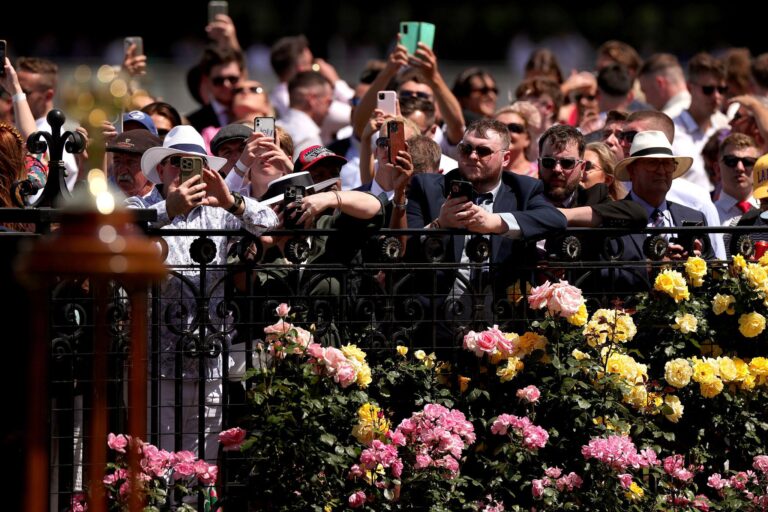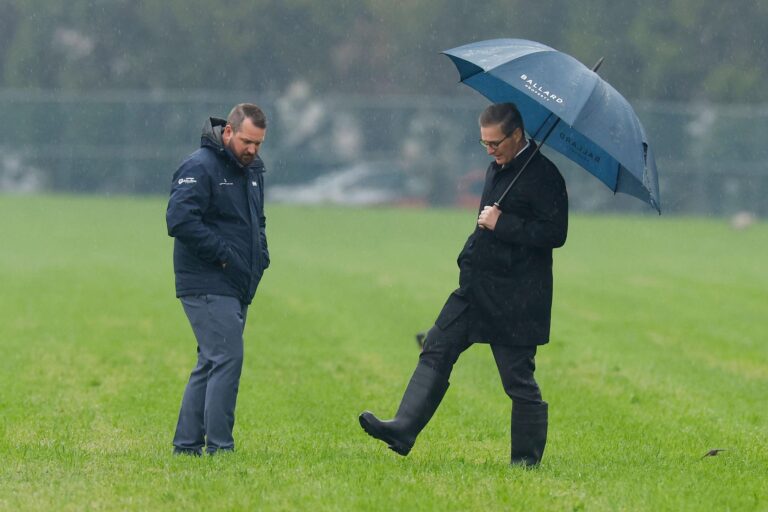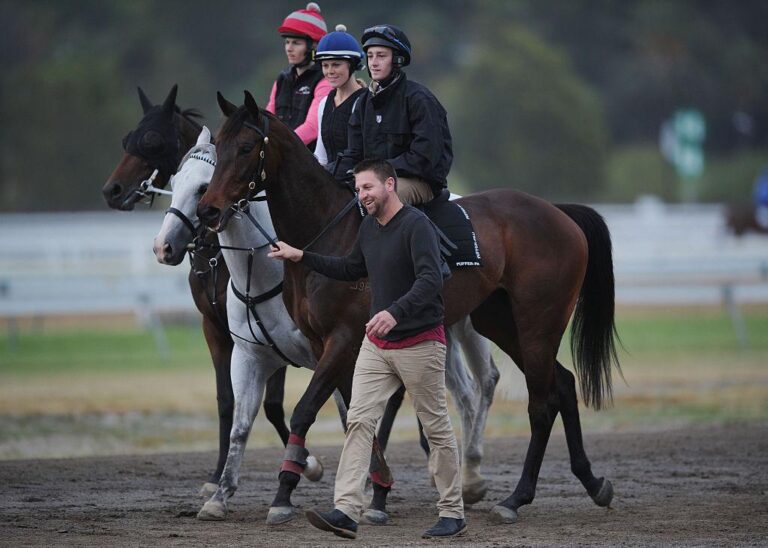
A horse race may last only a few minutes, but a racing newsroom can remain busy from early morning until long after the final result has been recorded.
Modern horse-racing journalism is no longer limited to writing race reports. News organisations and specialist racing publications now operate across websites, social media, video, podcasts, newsletters, photography and live digital coverage.
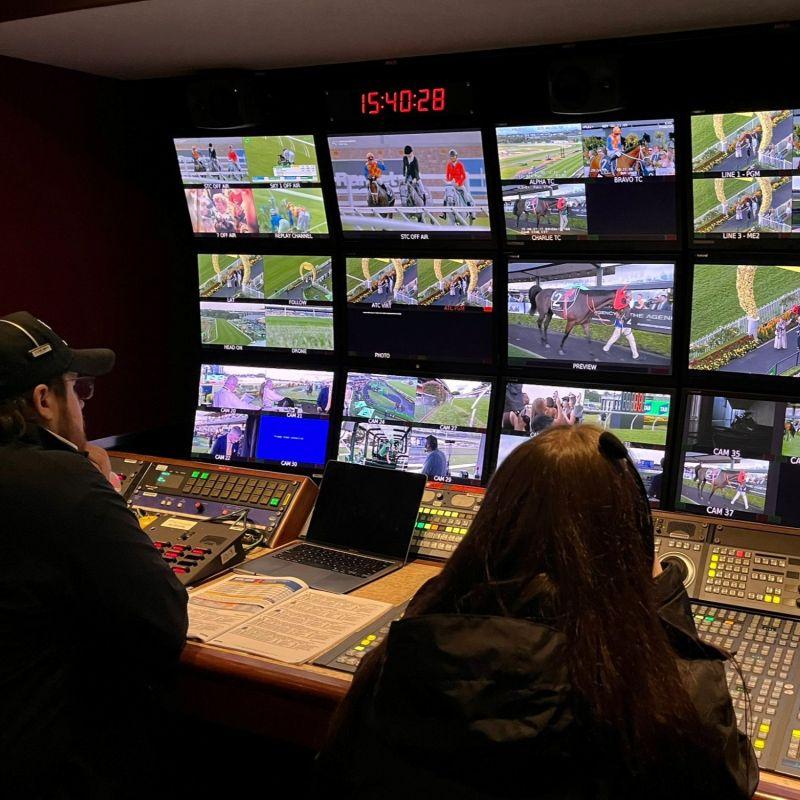
The result is a media industry that increasingly resembles a specialist sports newsroom.
The working day can begin before dawn.
Journalists may follow early trackwork, speak to trainers, monitor stable developments and gather information about horses preparing for upcoming meetings. By the time spectators begin arriving at a racecourse, much of the editorial work surrounding the day’s programme may already be underway.
One of the biggest changes has been the rise of continuous coverage.
A newspaper-based racing operation once worked around deadlines. A writer could watch a race, gather comments and prepare an article for publication later.
Digital journalism has compressed that process.
Readers expect information almost immediately. A significant result can become a headline within minutes, while interviews, photographs and analysis may follow shortly afterward.
This has changed the role of the racing journalist.
Reporters still need to understand horses, trainers, jockeys and racing terminology, but they also need to work quickly with digital publishing systems. Headlines, photographs, videos, social posts and website updates may all form part of the same story.
Data has become another essential component.
Race results, sectionals, historical records and performance figures can provide reporters with material that goes beyond a simple description of what happened.
A journalist covering a race may now combine observations from the track with historical statistics and video footage to produce a much more detailed report.
But data has not replaced reporting.
A statistical record can show how quickly a horse ran or where it finished. It cannot always explain the circumstances surrounding that performance.
A horse may have experienced traffic, encountered an unsuitable surface or raced differently from normal.
Those details often require a journalist to speak with trainers, jockeys and other participants.
Interviews therefore remain at the centre of racing journalism.
Trainers can explain preparation decisions. Jockeys can describe how a race unfolded. Owners may discuss a horse’s future plans. Veterinarians and racing officials can provide important information when incidents occur.
The journalist’s task is to bring those perspectives together while separating confirmed information from speculation.
Social media has created another major change.
Racing news can now be distributed directly to audiences without waiting for the next scheduled edition of a publication. A photo from the paddock, a quote from a trainer or a video from the winner’s return can become part of the story almost instantly.
This has created opportunities as well as pressure.
The speed of social media rewards immediate publishing, but racing journalism still depends on accuracy. An incorrectly reported result or unverified claim can spread rapidly once it enters the digital environment.
Professional racing publications therefore face a constant balancing act between speed and verification.
The newsroom itself is also becoming more multimedia.
A journalist may write an article in the morning, appear on a podcast later, record a short video at the racecourse and then publish a post-race analysis online.
Photographers have adapted in a similar way.

Images are no longer produced solely for newspapers or magazines. A single photograph may be distributed across websites, social channels, newsletters and promotional campaigns within minutes.
Podcasts and audio programmes have created yet another form of racing journalism.
They allow reporters and analysts to discuss upcoming meetings, examine race results and interview industry figures in a longer format. Unlike a short news article, a podcast can provide room for detailed conversation and analysis.
Newsletters are also helping racing publications maintain direct relationships with readers.
Rather than waiting for audiences to return to a website, publishers can send selected stories and updates directly to subscribers.
Behind all these developments is a fundamental change in the economics of media.
The audience for racing is fragmented across many platforms. Publishers must therefore consider how the same piece of journalism can work in multiple formats.
An investigative article might become a written report, a video summary, several social posts and a podcast discussion.
This approach allows one reporting effort to reach different parts of the audience.
It also means that specialist knowledge remains valuable.
Horse racing is a complicated sport with its own language, history, participants and business structures. Journalists who understand those details can provide context that general sports coverage may not offer.
The future racing newsroom is therefore unlikely to be defined by one medium.
It will be a combination of reporting, data, photography, video, audio and social publishing, all working around the same sporting calendar.
For the audience, the experience may seem simple: open a website, watch a video, read a result or listen to a podcast.
Behind that experience is a newsroom constantly collecting information, checking facts, creating stories and deciding what deserves attention.
The horses create the events.
The racing media decides how those events are documented, explained and remembered.