Horse racing is often described through the achievements of jockeys, trainers and owners.
Yet the sport depends on a much larger workforce, much of which operates far from public attention.
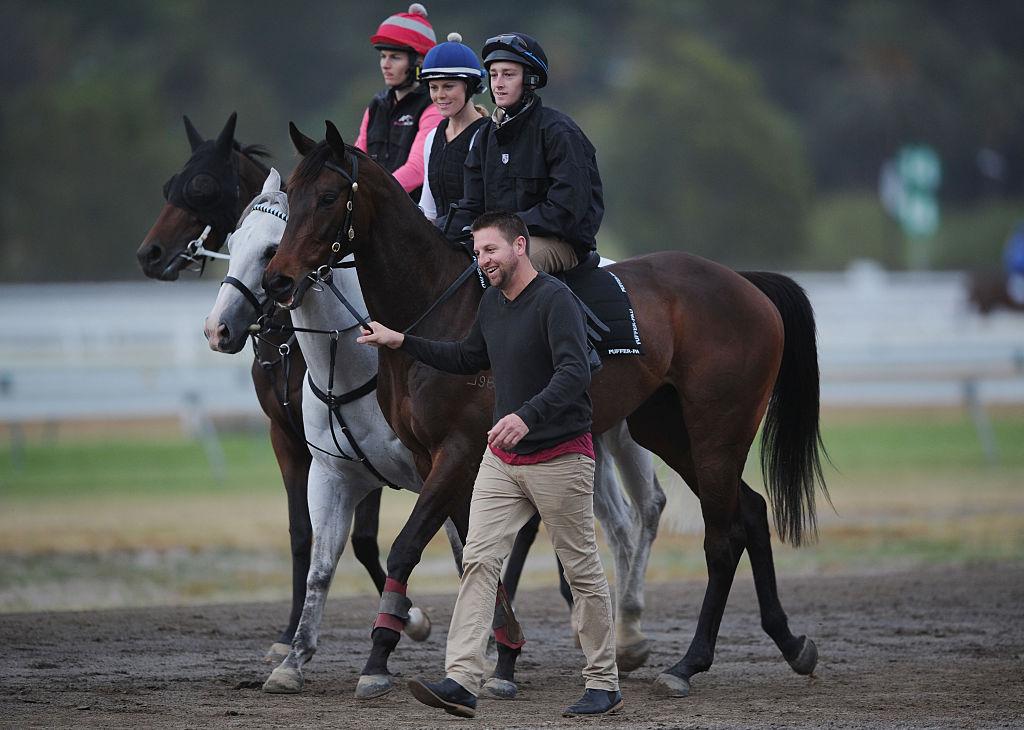
Every professional racing stable is supported by people responsible for feeding, grooming, exercising and caring for horses. Their work starts early in the morning and continues regardless of whether the stable has a runner at the weekend.
Stable staff occupy one of the most important positions in the racing system.
They often develop an understanding of individual horses that extends beyond formal performance data. Changes in appetite, behaviour, movement or mood can provide information that may not immediately appear elsewhere.
Farriers perform another highly specialised role.
The condition of a racehorse’s feet can have a direct relationship with comfort, movement and training. Regular hoof care is therefore part of routine preparation rather than an occasional service.
Veterinarians represent another critical profession.
Their work can include routine examinations, injury treatment, rehabilitation and preventative care. Veterinary knowledge has become increasingly important as the industry places greater emphasis on monitoring horses throughout their careers.
Transport operators are equally essential, even though their work is rarely visible to spectators.
Racehorses may travel regularly between training facilities, breeding farms, sales and racecourses. That requires specialist vehicles, experienced drivers and careful scheduling.
Then there are the workers at the racecourse itself.
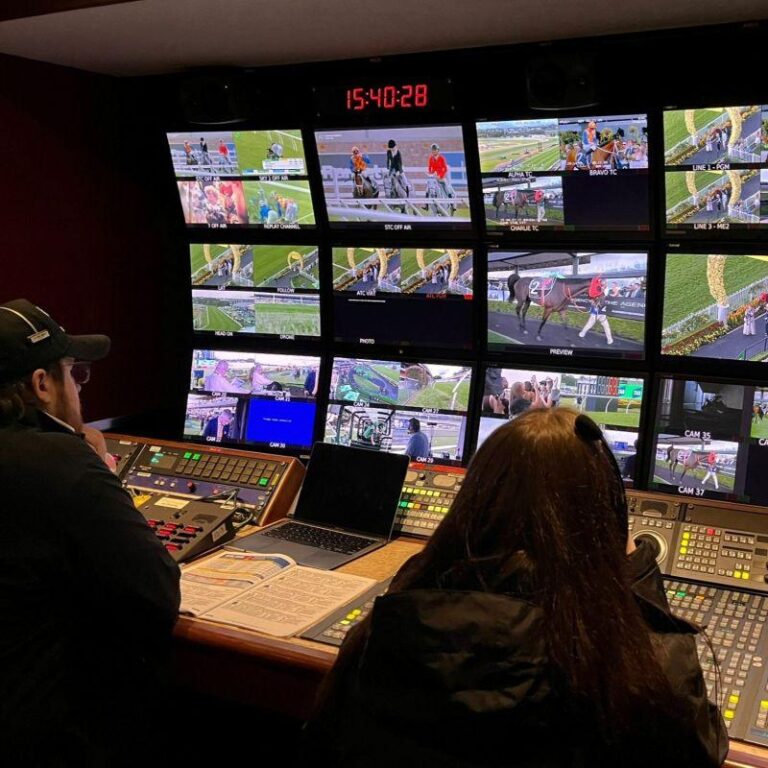
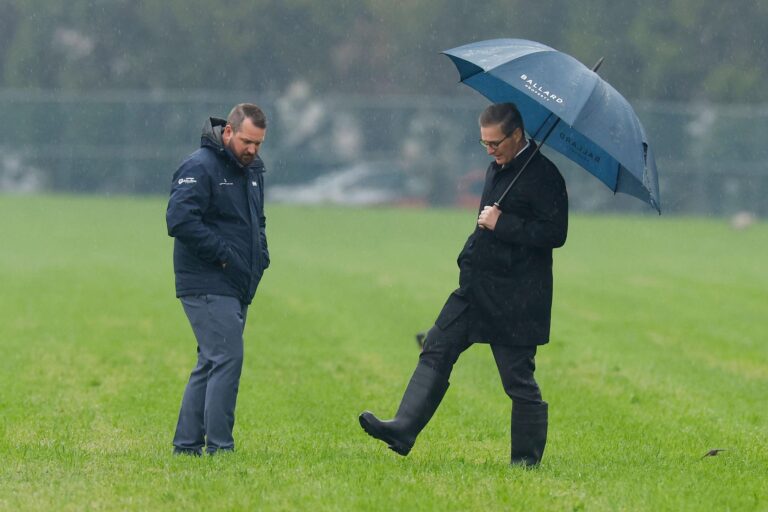
Ground staff maintain the venue. Racing officials manage the meeting. Medical teams respond to incidents. Security staff manage public areas. Commentators, photographers, journalists and broadcast crews communicate the event to audiences.
Hospitality workers support another major part of modern racing.
Restaurants, bars, private suites and corporate areas all require trained employees. On large race days, the workforce can expand substantially.
The industry is also creating new roles linked to technology.
Data analysts, digital-content specialists, social-media managers and software technicians are becoming increasingly relevant as racing moves further into the digital environment.
This changing workforce reflects a broader transition in the sport.
Traditional knowledge remains highly valued, but racing businesses now require skills that would have been far less important several decades ago.
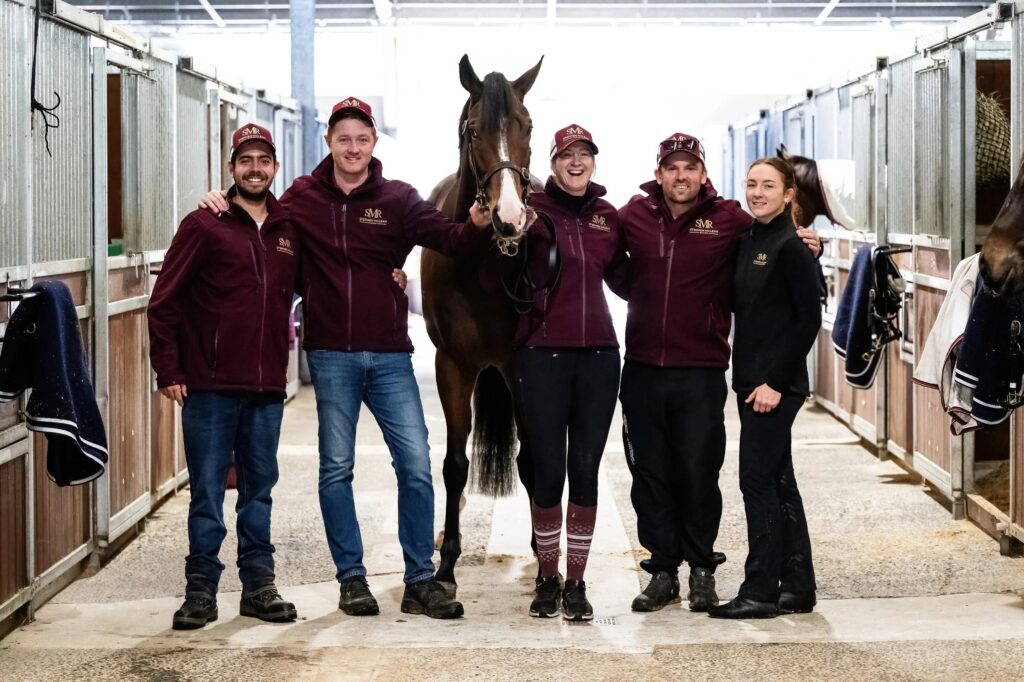
Recruitment is nevertheless a continuing challenge.
Some racing jobs involve early starts, physical labour and demanding schedules. Keeping experienced staff can therefore be difficult, particularly in an industry where expertise often develops over many years.
Training and career development may become increasingly important to the future of the sector.
Young workers entering racing may begin with practical stable duties before developing specialist knowledge or moving into management, veterinary assistance, administration or technology-related positions.
The story of racing is therefore not only about horses.
It is also about the people whose work allows those horses to reach the starting gate.
When a crowd watches a field race down the straight, the attention naturally follows the jockeys and horses.
But behind them stands a large professional workforce that has spent months, years and sometimes an entire career preparing for that moment.