For much of horse racing’s history, the racetrack had one obvious purpose: staging races.
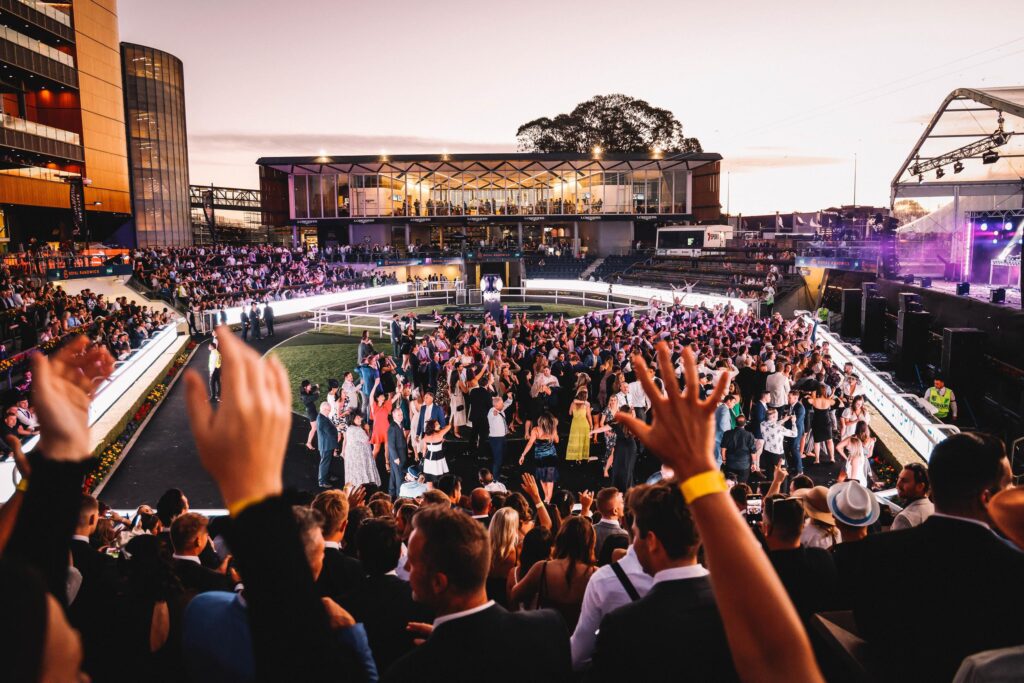
That description is becoming increasingly incomplete.
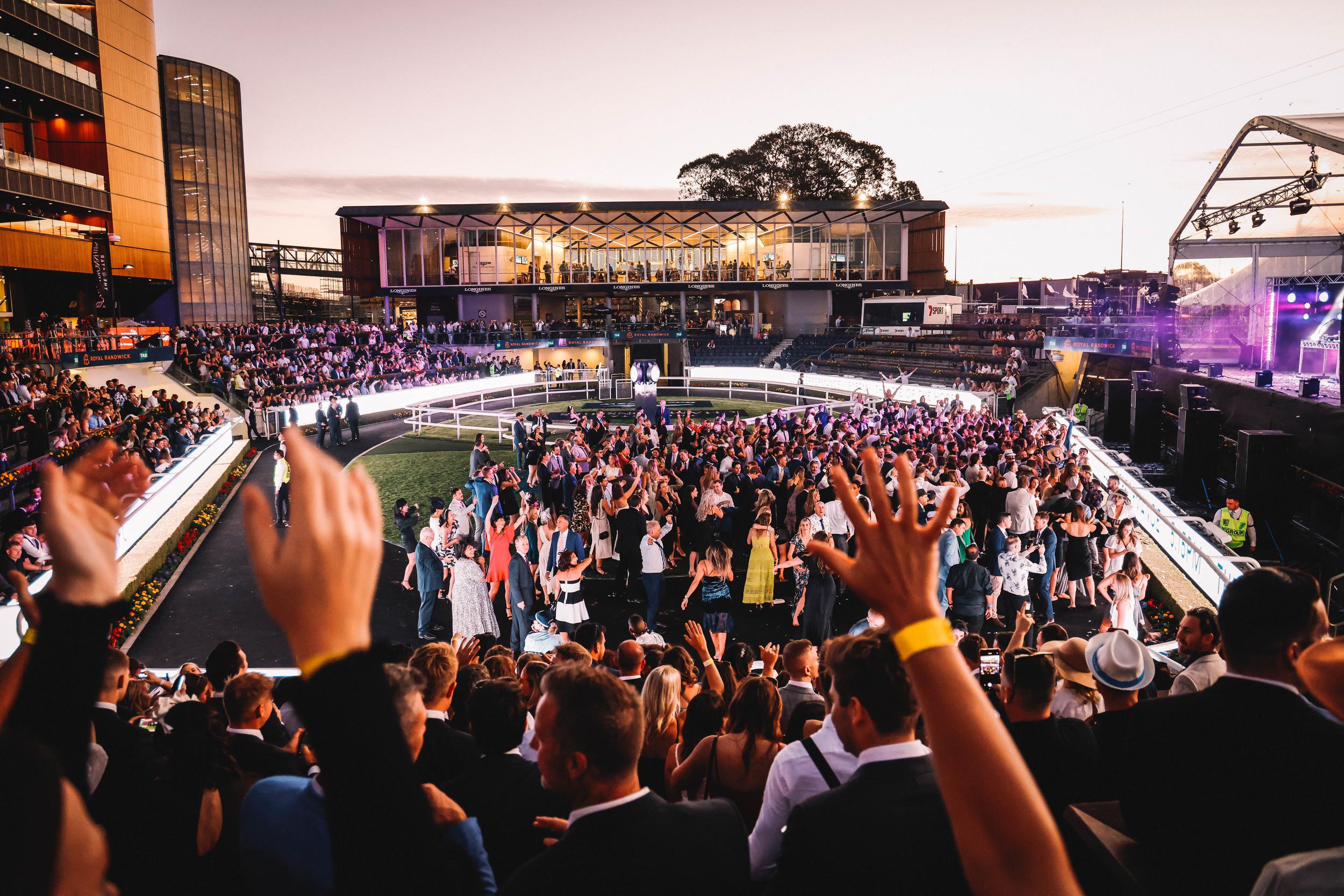
Modern racecourses are evolving into broader entertainment and hospitality businesses, using racing as the foundation for events that include dining, live entertainment, corporate functions, social gatherings and digital experiences.
Major race meetings demonstrate the scale of that transformation.
A day at the races can now involve far more than watching horses compete. Visitors may arrive for hospitality packages, premium dining, corporate networking or entertainment surrounding the racing programme.
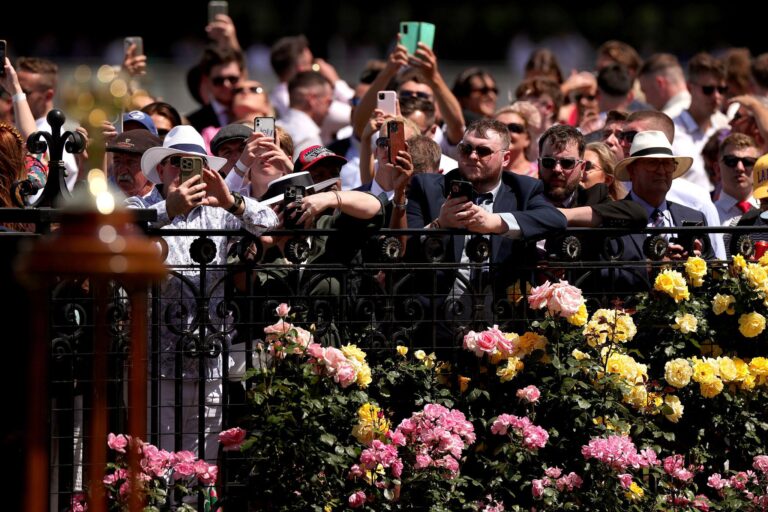
The change is partly driven by the economics of operating large venues such as Flemington which can attract over 100,000 people during the Melbourne Cup Carnival with Melbourne Cup day upwards of 110,000 people on the day.
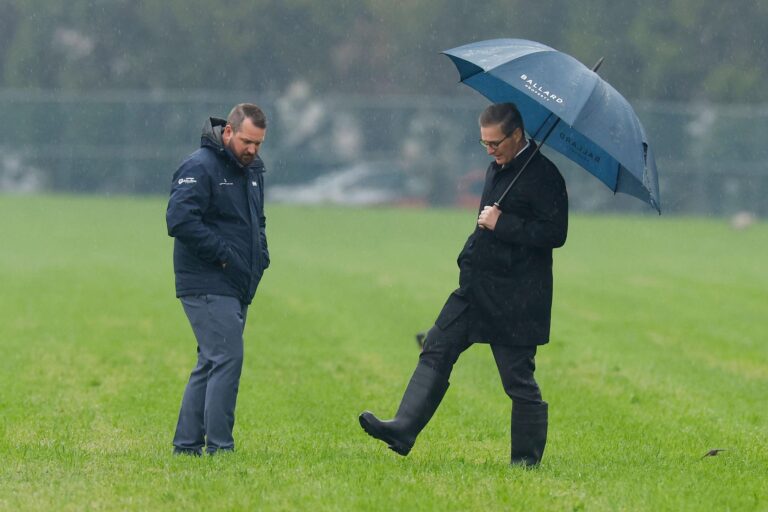
Racecourses require expensive infrastructure, maintenance and staffing. Generating revenue only during the races themselves can limit the use of that infrastructure.
Hospitality provides one solution.
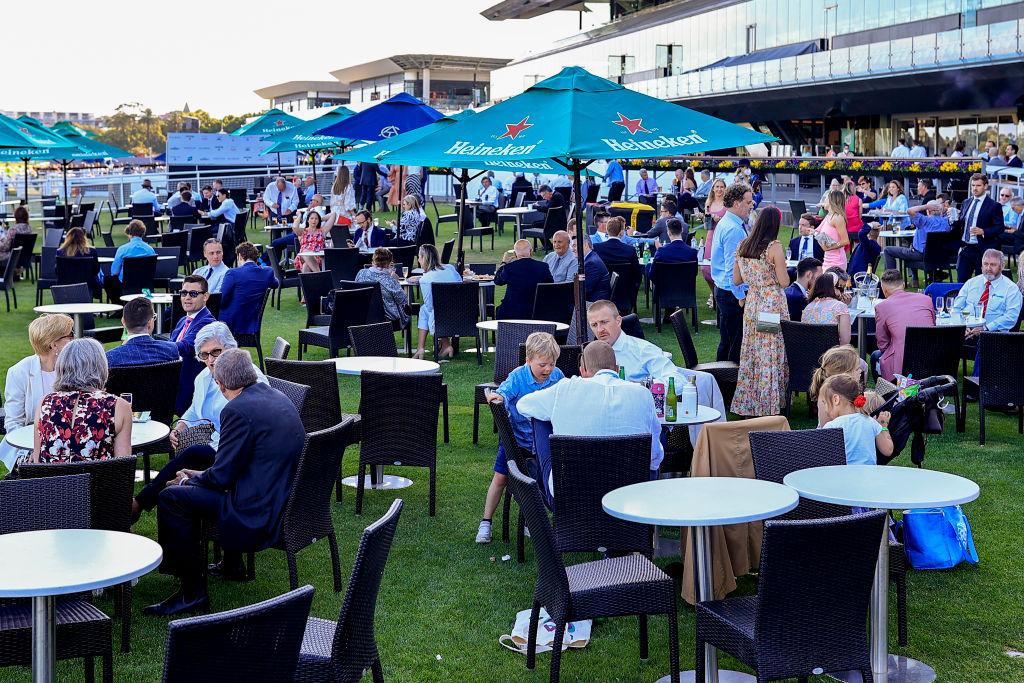
Private suites, restaurants and premium viewing areas allow venues to offer different experiences at different price levels. Businesses can also use race meetings as corporate entertainment opportunities.
Food and beverage operations have become another significant part of the event.
Large crowds create demand for restaurants, bars, cafes and temporary food outlets. Successful hospitality operations can turn the racecourse into a destination in its own right.
Major race days also attract sponsors seeking access to large audiences.
Branding can appear throughout the venue, across broadcasts and in digital content surrounding the event. For sponsors, the appeal is often the combination of sport, social activity and media exposure.
Fashion has become part of the broader commercial picture as well.
Some racing events are promoted as social occasions, bringing together sport, style and entertainment. This creates opportunities for retailers, fashion businesses, event organisers and hospitality providers.
The challenge for racecourses is to broaden their appeal without losing the identity of racing.
If a venue becomes focused entirely on entertainment, the sport itself can risk becoming secondary. Yet if a venue ignores changing audience expectations, it may struggle to attract younger or less traditional customers.
Digital technology is adding another layer.
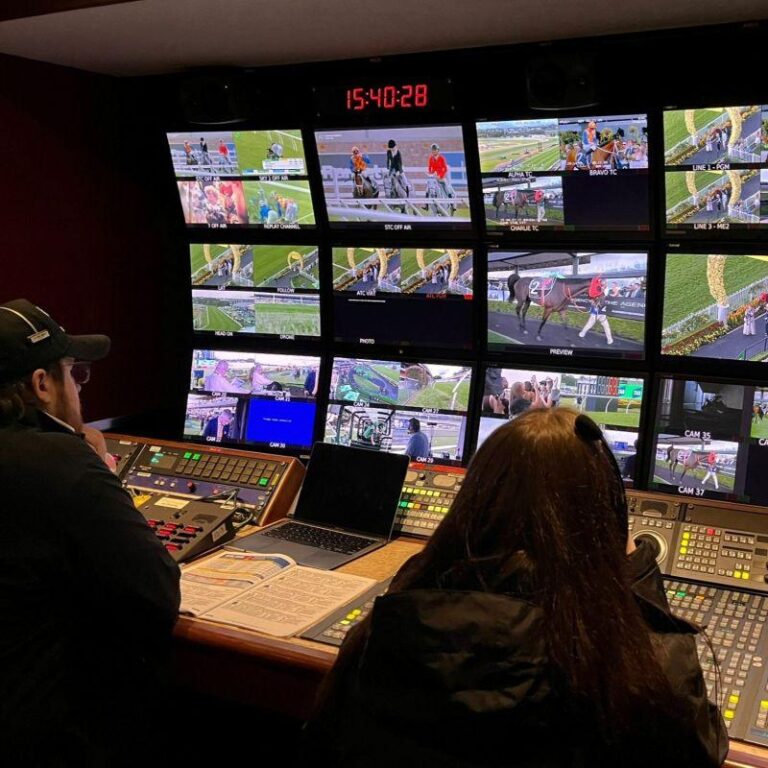
Racecourses can now reach potential visitors through short-form videos, social-media campaigns and online ticketing. Audiences who cannot attend in person can still interact with the event through digital platforms.
Regional racecourses face a different set of pressures.
Smaller venues may have fewer resources, but they can benefit from strong local connections. Race meetings can bring visitors into regional communities and provide economic activity for accommodation providers, restaurants and local retailers.
In this sense, racecourses increasingly occupy a space somewhere between sporting venue, entertainment destination and hospitality business.
The horse remains central.
Without the racing programme, much of the wider commercial ecosystem would not exist.
But the modern racecourse is being built around a broader idea: the race is not only an event to watch. It is the centrepiece of an experience that begins before the first race and continues after the last horse returns to the stables.