A racehorse’s public career may begin on a racetrack, but its commercial journey starts much earlier.
Months before a foal is born and years before it enters a race, breeders, owners and bloodstock professionals may already be making decisions that will shape its future.
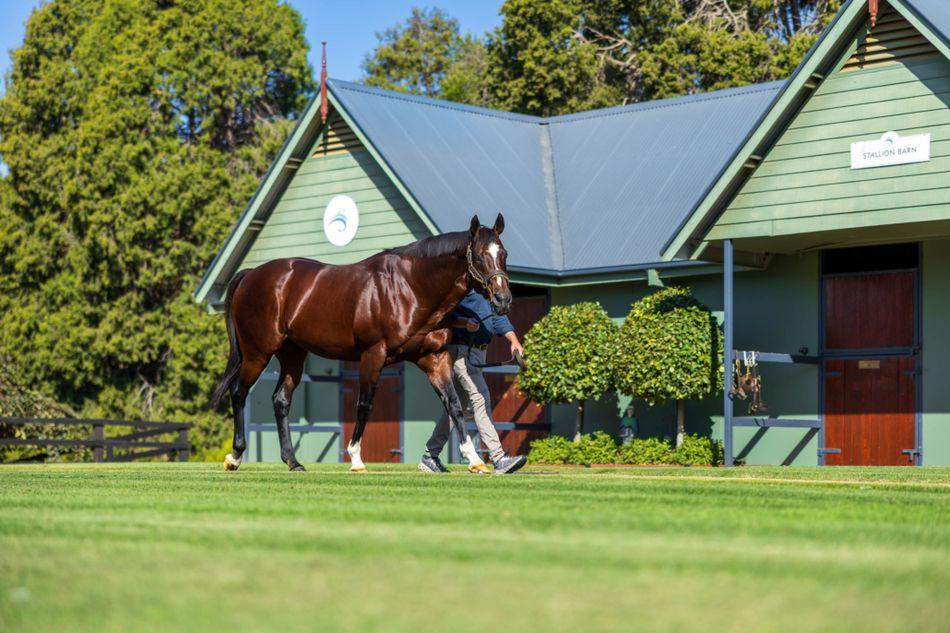
The breeding industry sits at the foundation of racing and has developed into a specialised market involving farms, stallions, broodmares, veterinarians, bloodstock agents, transport providers and auction houses.
The first major decision is often the breeding match itself.
Breeders examine pedigrees, racing performance and physical characteristics when selecting a stallion for a broodmare. Commercial trends can also influence choices, particularly when certain bloodlines become highly sought after.
But breeding decisions are never guarantees.
A prestigious pedigree may create expectations, yet performance on the track remains uncertain. Physical development, temperament, soundness, training and individual ability can all influence the eventual outcome.
Once a foal arrives, a long period of development begins.
Young horses need nutrition, veterinary care, exercise and appropriate handling. Their development must be carefully managed because the goal is to create an athlete capable of handling the physical demands of racing.
The value of a young horse can change significantly during this period.
A strong physical appearance, desirable pedigree or positive assessment by respected bloodstock professionals can attract attention before the horse has ever competed.
Auction houses consequently play an important role.
Sales provide a meeting point between breeders and buyers, with young horses presented to owners and investors who are effectively purchasing potential.
For buyers, the challenge is managing uncertainty. A purchase price may reflect pedigree and expectations, but there is no guarantee that the horse will become a successful competitor.
The commercial story can also change rapidly after a horse begins racing.
A horse that wins important races can influence the value of its family. Its siblings, offspring and related bloodlines may receive greater interest from breeders and buyers.
This can create a ripple effect throughout the bloodstock market.
A successful stallion, for example, may eventually attract breeding demand far beyond its racing career. A mare with significant racing achievements may become commercially valuable as a broodmare.
The breeding business therefore looks beyond an individual horse’s racing lifespan.
It considers generations.
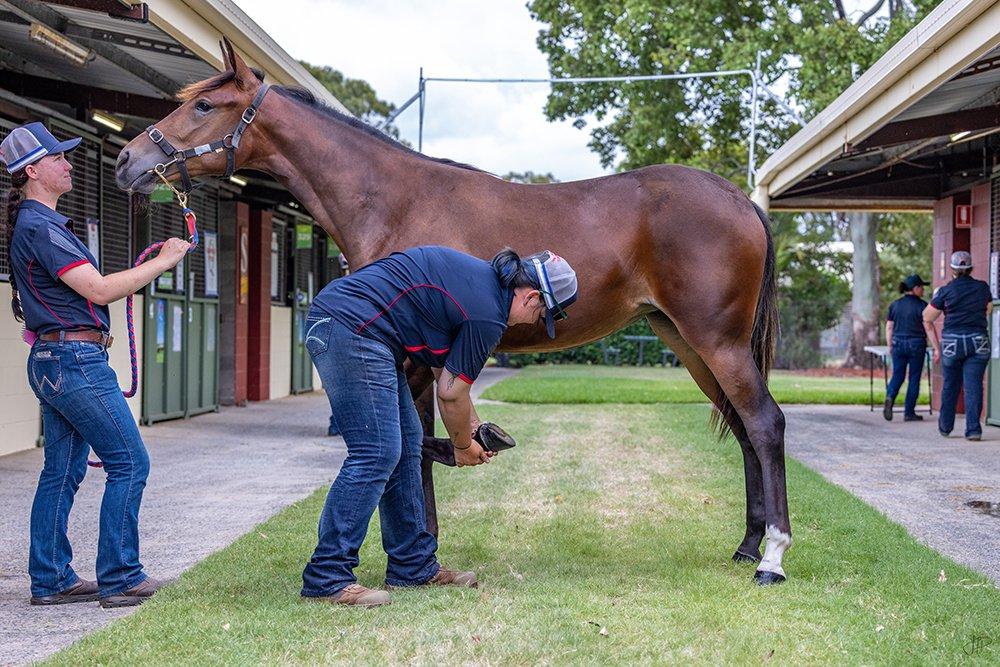
Technology and information are becoming more prominent in breeding decisions as well. Pedigree databases, performance records and veterinary assessments give breeders access to more information than previous generations had available.
Yet racing retains an element that data cannot eliminate: uncertainty.
The central question is always the same.
Can this horse become a successful racehorse?
No spreadsheet can answer it with certainty.
That is precisely what makes the bloodstock business both attractive and risky. Every foal represents a possibility, and every major winner can reshape the commercial reputation of an entire family.
For the racing industry, the breeding sector is more than the production line for future competitors.
It is a long-term business built around genetics, investment, horsemanship, reputation and the possibility that one young horse could eventually become the next star of the sport.