To spectators, a race meeting can appear remarkably simple. Horses arrive, jockeys mount, the field moves to the starting gates and, moments later, the result is decided.
Behind that brief spectacle is a carefully coordinated operation involving hundreds of individual tasks.
Long before the first race begins, racecourse employees are already preparing the venue. The racing surface must be assessed, public areas inspected and facilities checked. Stable areas, jockey facilities, medical stations, broadcast positions, hospitality spaces and spectator zones all need to be ready before the gates open.
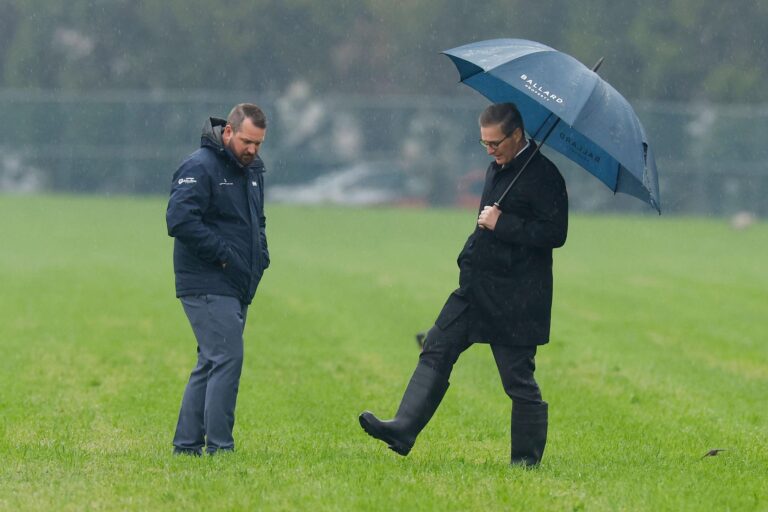
The track itself receives particular attention.
Racing surfaces must be monitored and maintained because conditions can influence both performance and safety. Staff inspect the course and consider the effects of recent weather, irrigation and previous racing activity. Any change to the surface can become important to trainers and jockeys making decisions about their horses.
While the track team works outside, another operation is unfolding in the stables.
Racehorses are treated as individual athletes with specific routines. Stable staff must know when each horse arrived, when it needs to be prepared and when it must move toward the mounting area. Grooming, saddling and pre-race preparation all take place within a strict schedule.
Trainers are responsible for overseeing those preparations while communicating with staff and riders.
The veterinary team has its own role. Race-day veterinarians can be involved in pre-race assessments and are available to respond to incidents. Their presence reflects the growing emphasis on animal welfare and medical oversight in modern racing.
The jockeys’ room is another highly organised environment.
Riders may have multiple engagements during the meeting, meaning equipment, schedules and communications have to be managed carefully. Every minute matters when riders are moving between races and preparing for the next mount.
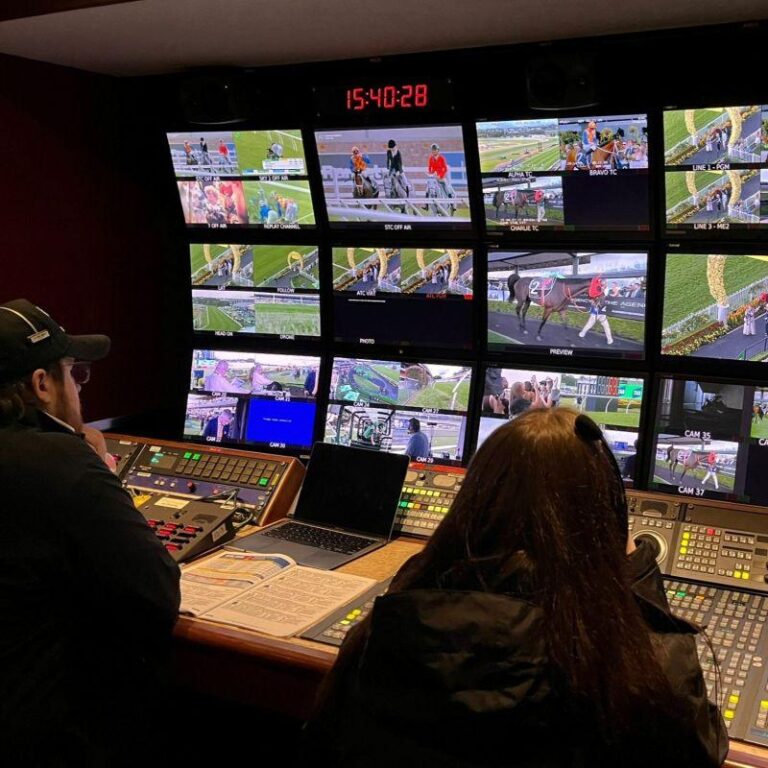
Then there is the broadcast operation.
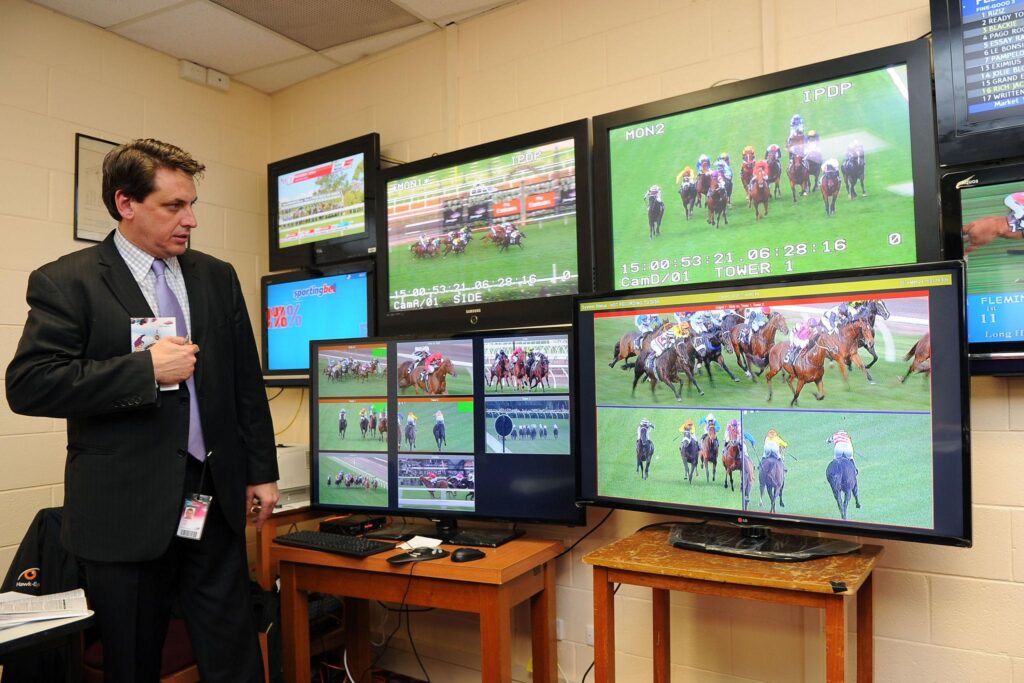
A modern race broadcast involves strategically placed cameras, timing information, commentary, production staff and technical equipment. The goal is not simply to show the race, but to provide viewers with context before and after it.
Digital platforms have expanded that operation even further. Social-media teams may be producing short videos while journalists gather interviews and photographers capture images for immediate publication.
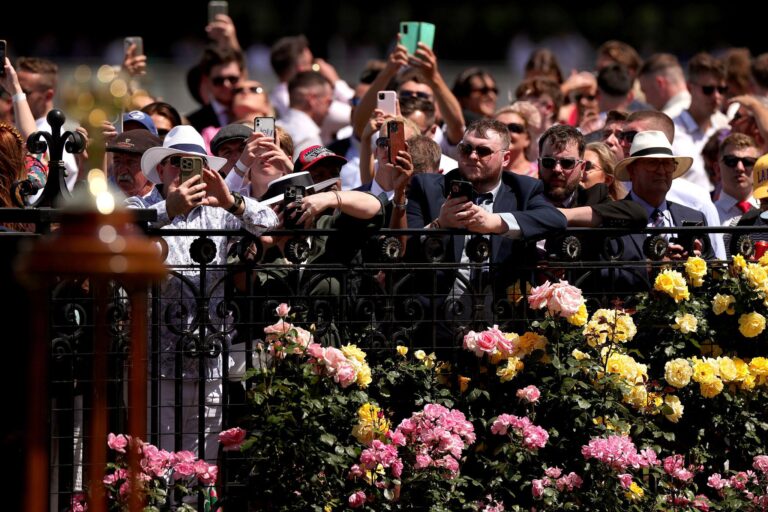
For the public, hospitality represents another major part of the race-day experience.
Restaurants, bars, private suites and corporate areas require their own staff and supply chains. Large meetings can function almost like major entertainment festivals, with catering, security, customer-service and event-management teams operating simultaneously.
Security itself is a complex task.
Racecourses need to manage vehicle movement, horse transport, spectator access and crowded public areas. Medical teams must also remain prepared for emergencies involving either people or horses.
Transport is another hidden part of the operation.
Racehorses may arrive from training centres or other venues, meaning transport schedules must be coordinated around race times. Delays on the road can create problems for trainers, drivers and racecourse staff.
What makes race day particularly demanding is that all of these systems must function simultaneously.
A delay in one area can affect another. A change in weather can influence the track, which can affect race planning. A transport problem can affect a horse’s arrival. A schedule change can force broadcasters, hospitality teams and participants to adjust.
The result is a sporting event that operates more like a complex live production than a simple competition.
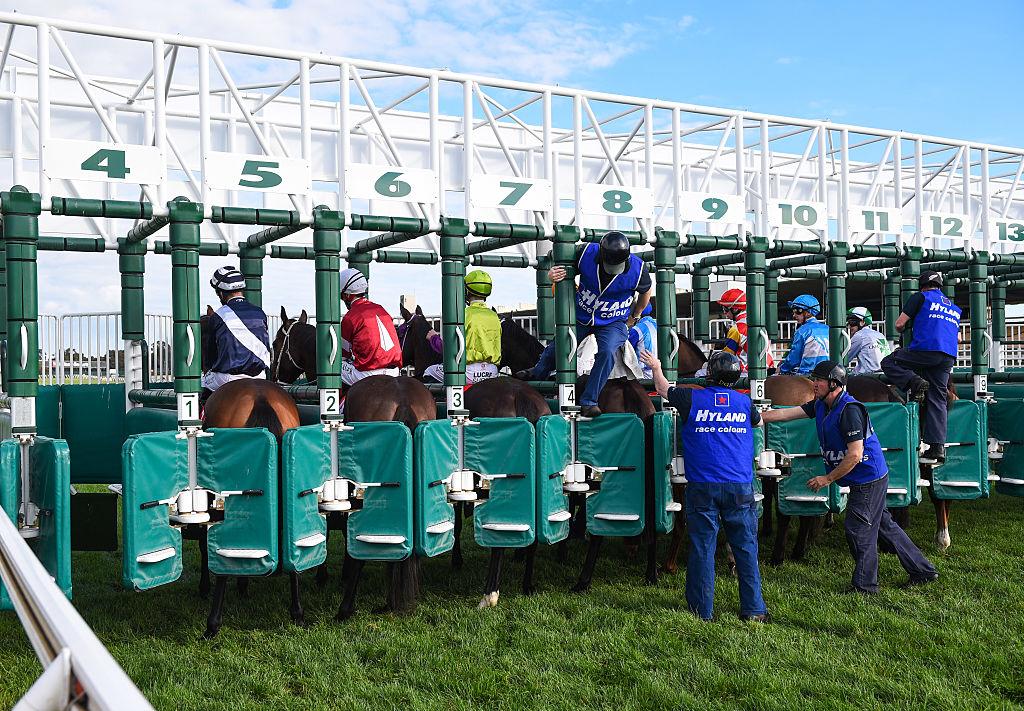
When the horses enter the starting gates, spectators see the final product.
They rarely see the hundreds of decisions and hours of preparation that made those few minutes possible.