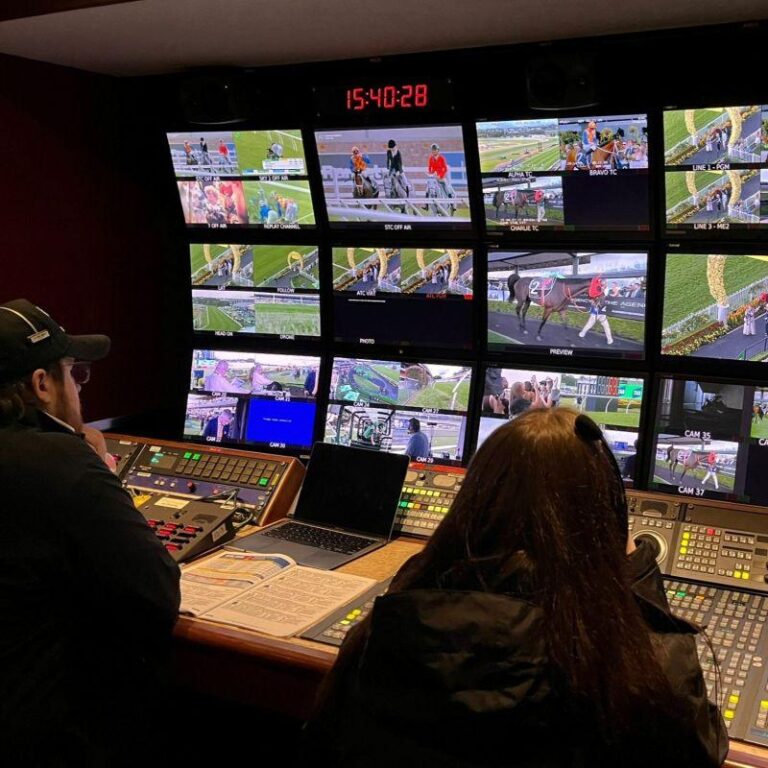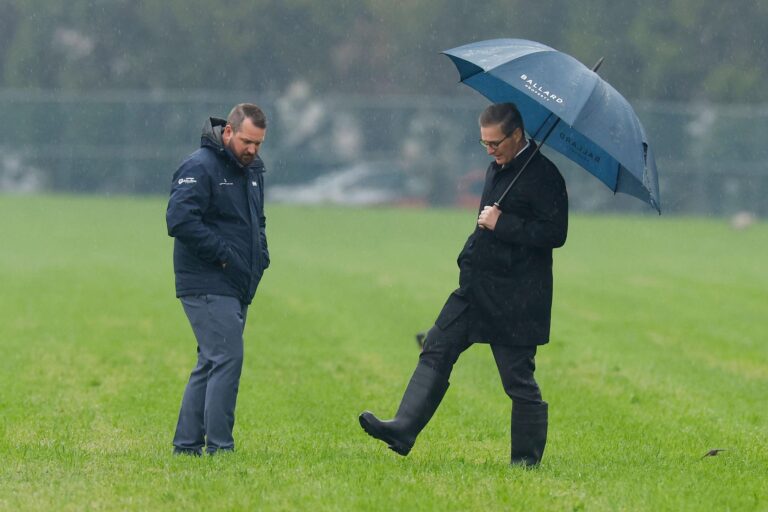
The image of a trainer watching a horse gallop in the early morning remains central to horse racing, but increasingly, that trainer is also working with screens, data and digital records.
Technology is becoming part of everyday racing operations, influencing how horses are trained, monitored, assessed and prepared for competition.
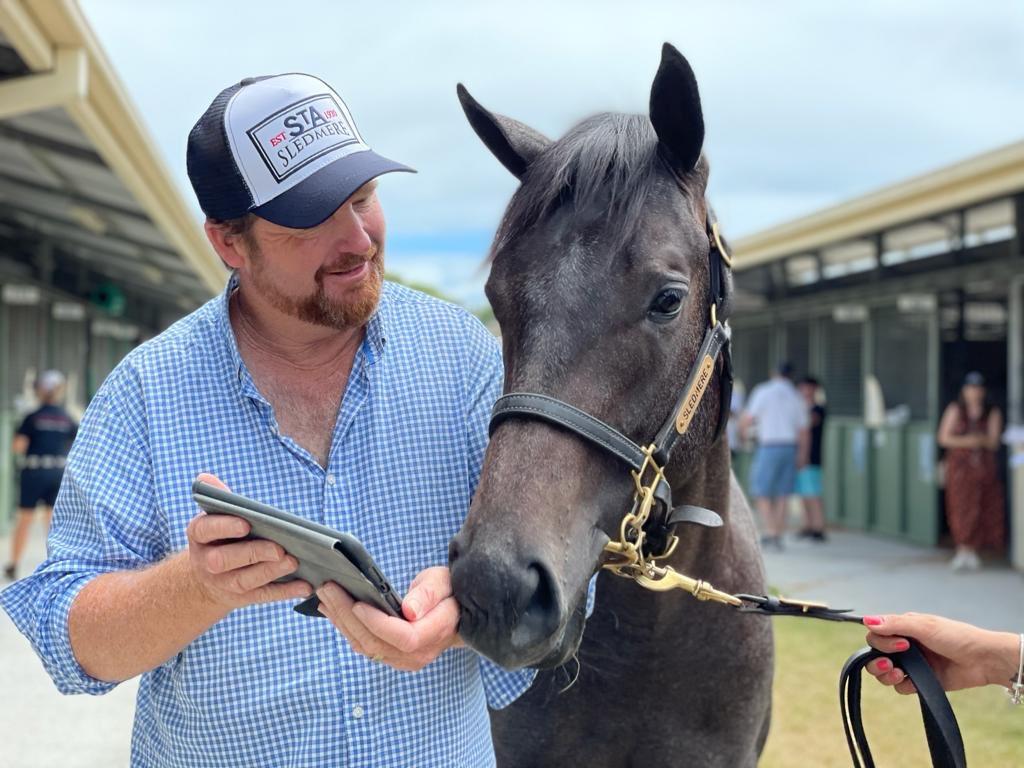
One of the most visible changes has been the growth of performance data.
Modern timing systems can provide detailed information about how quickly a horse covers different sections of a workout or race. Trainers can compare performances over time and identify changes that may not be obvious from watching a horse from the ground.
Sectional analysis has become particularly useful because a final finishing time does not always tell the entire story. A horse may have travelled comfortably before accelerating late, or may have used significant energy early in a race and weakened toward the finish.
Video analysis adds another dimension.
Trainers can review races from different angles and examine how a horse travelled, how it handled turns, whether it encountered traffic and how it responded when asked for an effort. The footage can become part of a horse’s longer-term performance record.
Veterinary technology is also developing rapidly.
Diagnostic tools can help professionals identify injuries and monitor rehabilitation. Imaging technology may provide detailed information about bones, joints and soft tissue, allowing veterinary teams to make more informed decisions about treatment and return to training.
Data collection is increasingly extending beyond race day.
Some training operations use monitoring equipment that records information about movement or exercise patterns. The objective is not necessarily to replace the trainer’s eye, but to add another source of information.
That distinction is important.
A data system can record a change in speed, distance or movement. It cannot always explain why the change happened. A horse may perform differently because of weather, surface conditions, temperament, fatigue or other factors that require human interpretation.
For this reason, the modern racing environment is becoming a combination of technology and experience.
The growth of technology is also changing the role of racing staff.
People who understand data, software, video analysis and performance measurement can increasingly contribute to racing operations alongside traditional roles such as trainers, riders, veterinarians and stable staff.
Owners are also paying more attention to technology.
For those investing large amounts of money in bloodstock and training, access to better information can help with decisions about race selection, scheduling and horse management.
However, technology comes with its own challenges.
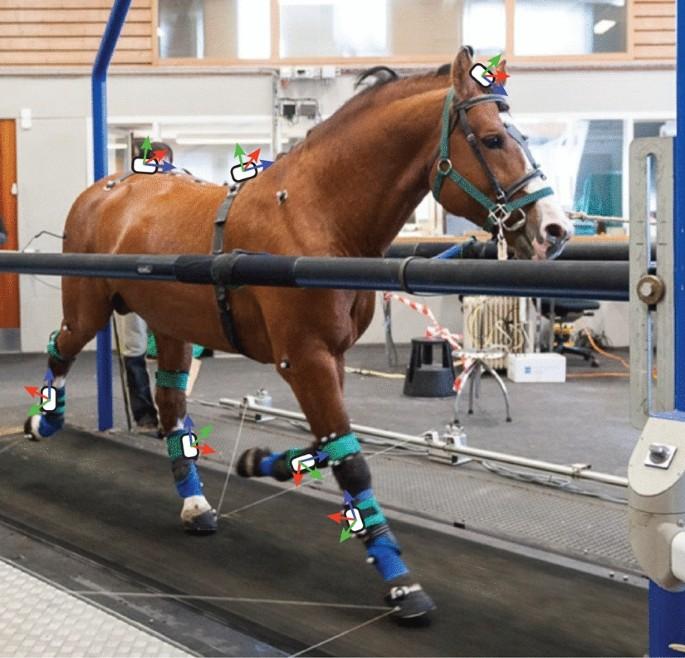
Advanced equipment can be expensive, and not every stable has the resources to adopt the latest systems. There is therefore a possibility that technological development could widen the gap between larger operations and smaller businesses.
Data security and interpretation are other concerns.
As more racing businesses collect detailed information, questions arise over who controls the data, how it is stored and how much commercial value it carries.
Despite those challenges, the direction of travel is clear. Racing is becoming increasingly data-aware.
The next generation of trainers may spend as much time interpreting information as they do observing horses on the track.
Yet the fundamental reality of the sport remains unchanged. A horse is not a machine, and numbers cannot capture every element of an animal’s behaviour or condition.
Technology can provide more information.
The difficult part will always be knowing what that information means.