Horse racing has become more scientific and data-driven, but one factor remains difficult for the industry to control: the weather.
Rain, heat, wind and changing temperatures can all influence a race meeting, affecting the racing surface, horse preparation, transport and spectator attendance.
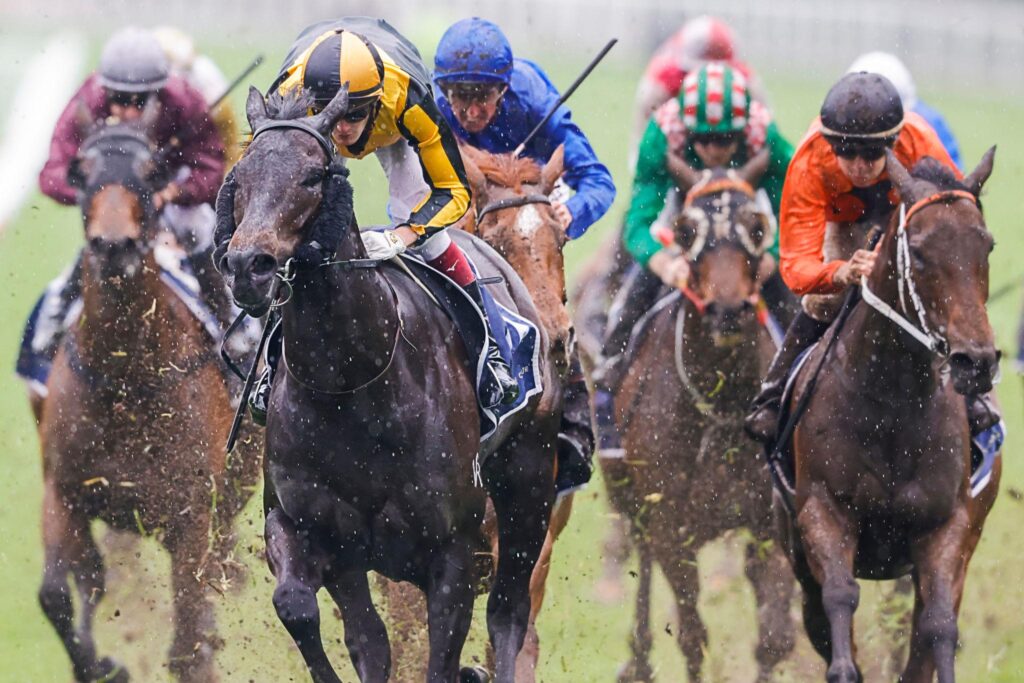
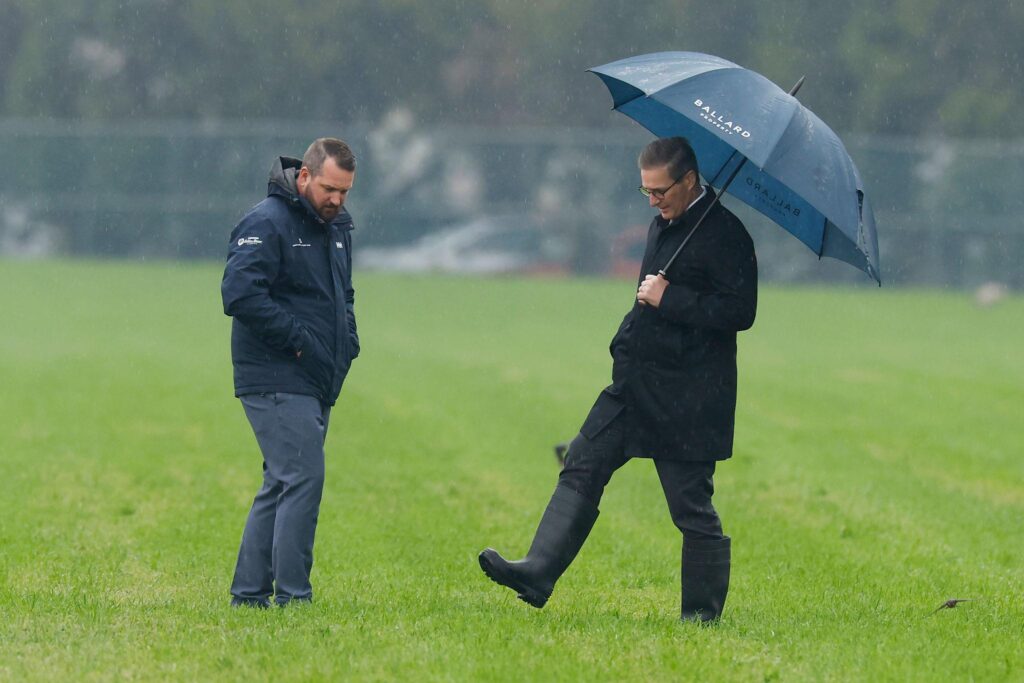
Track condition is among the most closely watched issues in racing.
The surface can change throughout a meeting, particularly when weather conditions shift. Rain can soften a course, while prolonged dry conditions can create a different set of challenges.
For trainers, understanding how a horse reacts to different surfaces can be part of race planning.
Some horses have established records in particular conditions, while others may perform differently when the track changes. Trainers therefore monitor forecasts and recent conditions when deciding how and where to prepare a horse.
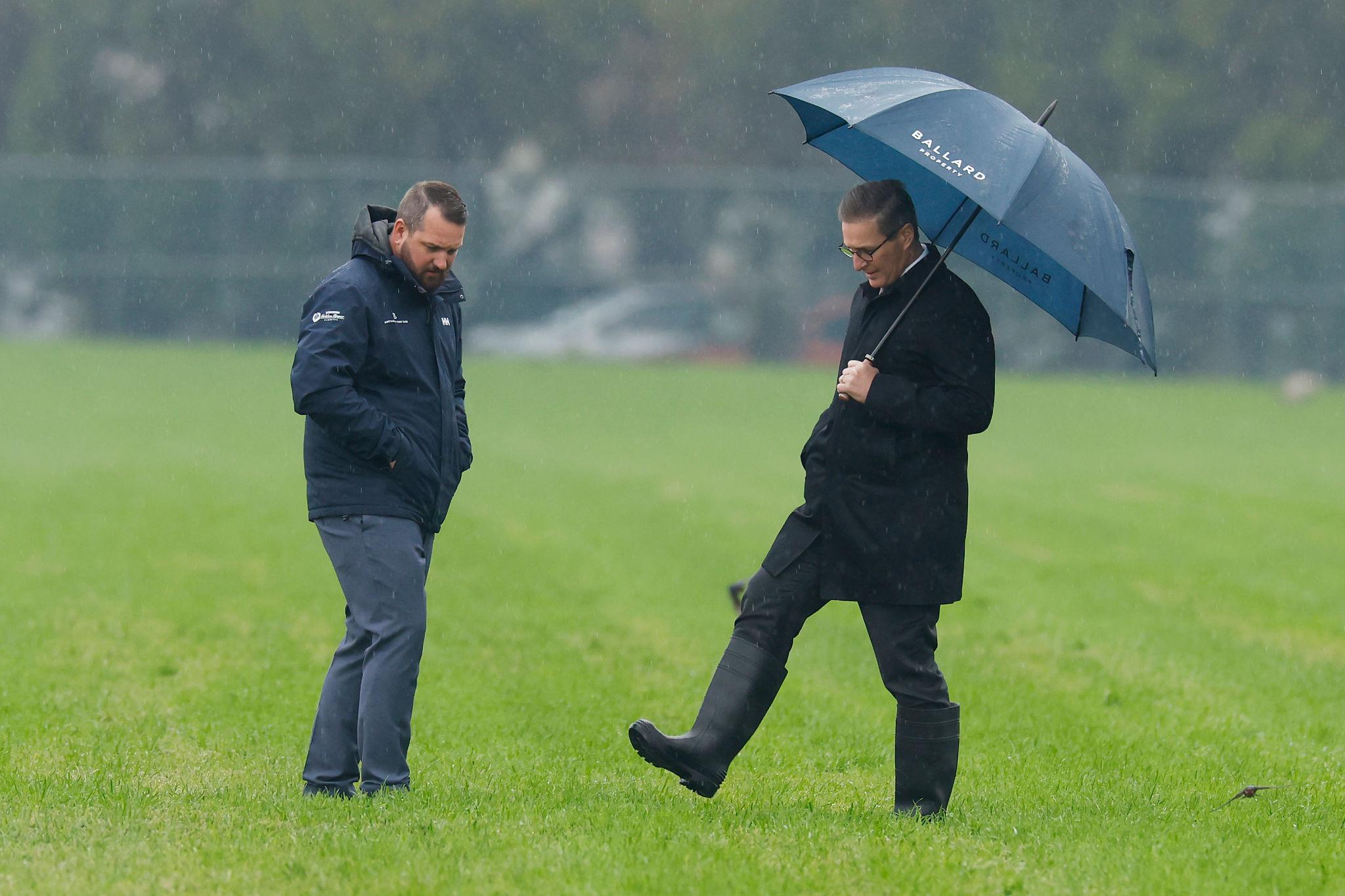
Racecourse officials have a separate responsibility.
Their priority is to monitor the surface and determine whether conditions remain suitable for racing. Depending on the jurisdiction and circumstances, maintenance procedures may be used to manage the track.
Weather can also affect logistics.
Heavy rain can create transport problems, delay arrivals and influence the movement of spectators around the venue. Strong winds may create additional operational difficulties, while extreme temperatures can affect scheduling and welfare considerations.
For the racing public, weather often changes the atmosphere of an event.
A sunny afternoon may produce strong attendance and busy hospitality areas. Poor weather can reduce casual attendance while changing the character of the meeting.
The uncertainty also affects businesses.
Catering companies, hospitality operators, retailers and event organisers may all be affected by changes in expected crowd numbers.
Modern weather forecasting has improved the industry’s ability to prepare.
Racecourses can monitor forecasts more closely and make operational decisions earlier than in the past. Trainers can access more detailed information when planning workloads and race schedules.
Even so, forecasting cannot remove uncertainty.
Localised weather changes can occur quickly, and actual conditions at one section of a course may differ from expectations earlier in the day.
Climate patterns add another longer-term consideration.
Racing organisations operating in regions exposed to changing weather extremes may need to think about drainage, irrigation, scheduling and infrastructure over the longer term.
The issue is therefore larger than whether a particular race will be run on a wet or dry track.
Weather is a fundamental operating variable for the entire industry.
Every race meeting represents an attempt to combine careful planning with conditions that can change outside anyone’s control.
Technology can improve prediction.
Track management can improve preparation.
But when the gates open, the weather remains one of the few variables that no trainer, owner or racecourse can completely command.