The way people follow horse racing has changed dramatically.
For previous generations, following the sport often meant buying a newspaper, studying a printed racecard, listening to radio commentary or travelling to a racecourse.

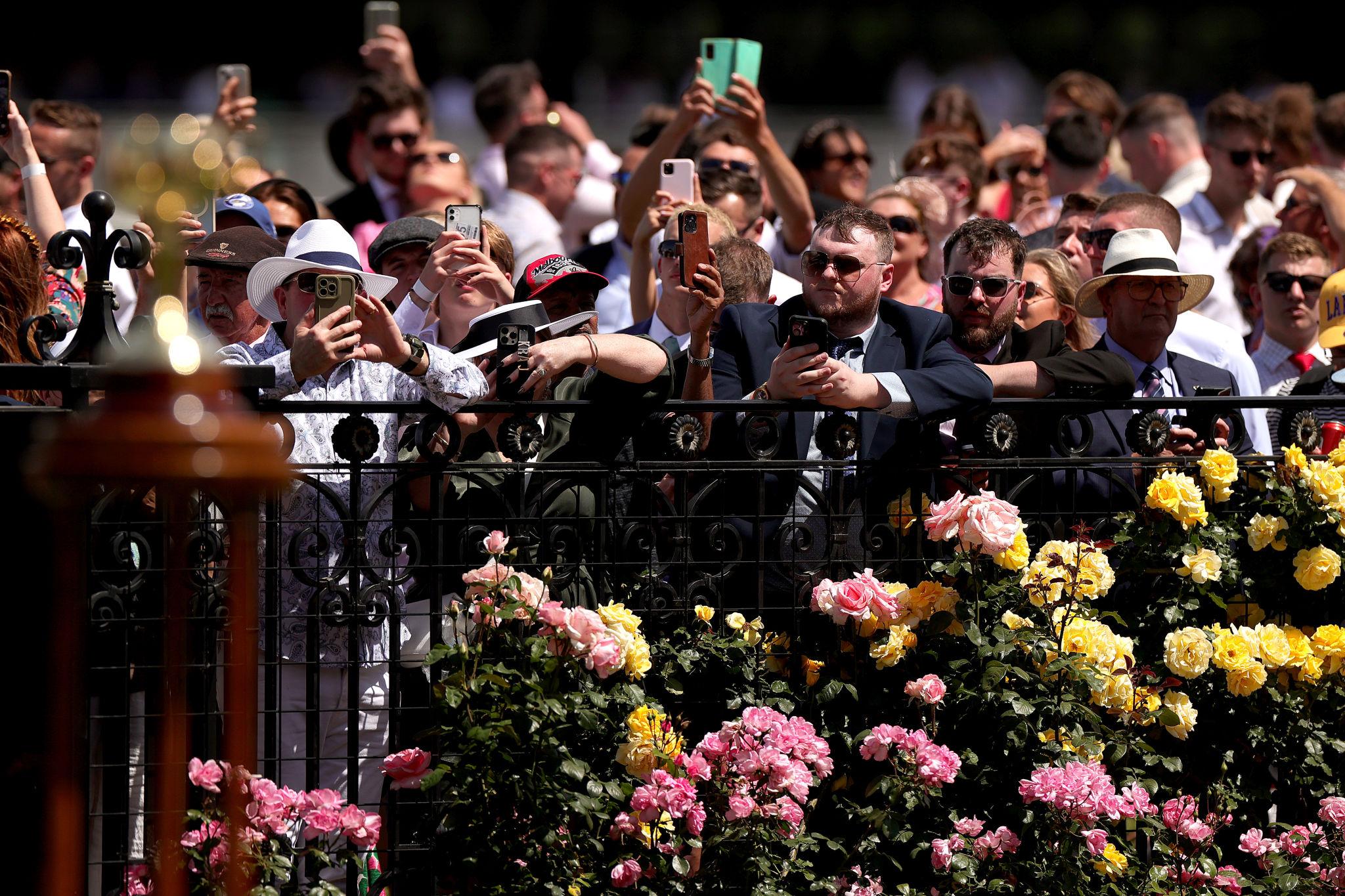
Today, much of that information is available instantly through a smartphone.
Digital racecards, live video, race replays, social media, statistics and podcasts have transformed the relationship between racing and its audience.
Information that once required specialist publications can now be accessed within seconds. Fans can review previous performances, compare runners, watch earlier races and follow developments from trainers and racing organisations online.
That has created a new media environment around the sport.
Traditional journalism remains important, particularly for detailed reporting and analysis, but it now competes with a constant stream of digital content.
A racecourse can publish a behind-the-scenes video in the morning, conduct an interview before a race and post the result almost immediately after the finish.
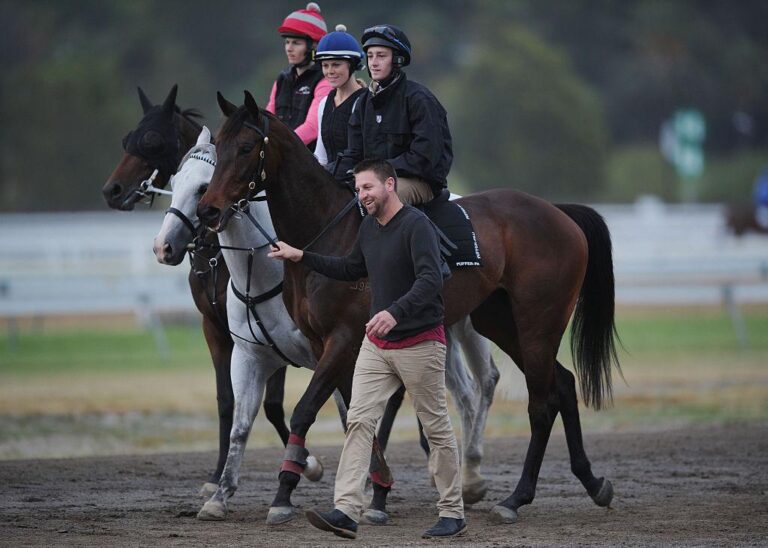
Trainers and jockeys can also communicate directly with audiences.
Social platforms allow racing personalities to share preparation routines, travel, stable life and race-day experiences. For fans, that can make the sport feel more immediate and personal.
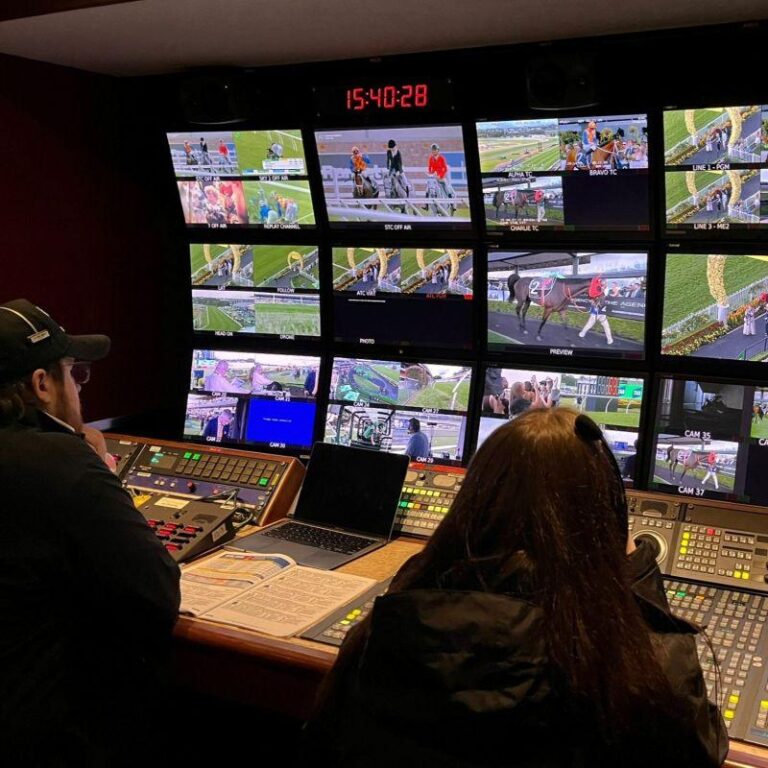
Broadcasters have responded by expanding beyond the traditional race call.
Modern coverage can include interviews, replay analysis, statistics, expert discussion and digital graphics. Streaming has also made it easier for audiences in other regions to follow meetings that they might never have been able to watch previously.
Data has become one of the defining features of digital racing.
Fans increasingly encounter detailed performance statistics, sectional information and historical records. This has created new opportunities for media organisations that specialise in data-led analysis.
But digital growth has also created challenges.
The internet gives racing a much larger potential audience, yet it also gives that audience countless alternatives. A fan watching racing online is competing for attention with every other form of digital entertainment.
Racing organisations therefore need to think beyond simply broadcasting races.
They increasingly need to tell stories.

A horse’s preparation, a trainer’s strategy, the history of a major meeting or the personal journey of a jockey can all become content that keeps audiences engaged between races.
Younger audiences are particularly important to this transition.
People who have grown up using smartphones may have little interest in traditional racing coverage but may respond to short videos, visual storytelling, statistics and personalities.
This does not mean traditional race coverage is disappearing.
Instead, the ecosystem around it is expanding.
The race remains the central event, but an increasingly large amount of content is being created before and after it.
That transformation could become one of the most important developments in racing’s future.
The sport is no longer limited by the physical boundaries of the racecourse.
A fan can now watch, read, analyse and discuss a race from almost anywhere.
As racing becomes more digital, the competition for the audience may no longer be simply between one race meeting and another.
It may be between horse racing and the entire attention economy of the internet.