When the horses break from the starting gates, the attention of thousands of spectators immediately shifts to the track. For viewers watching from home or following the meeting online, however, the race is only one part of a much larger production.
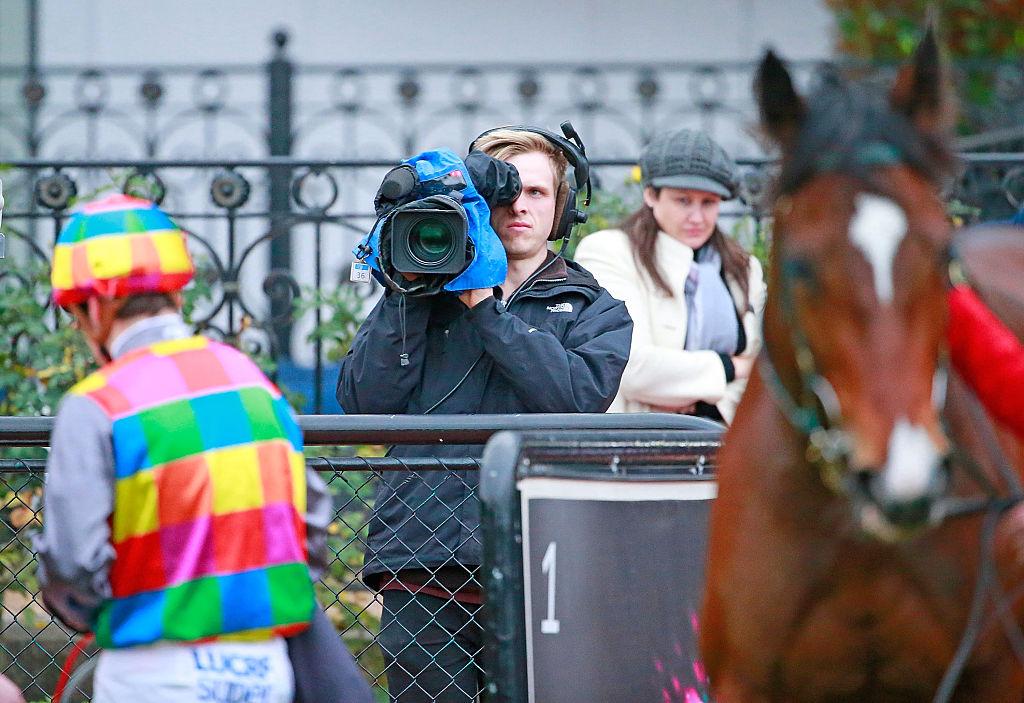
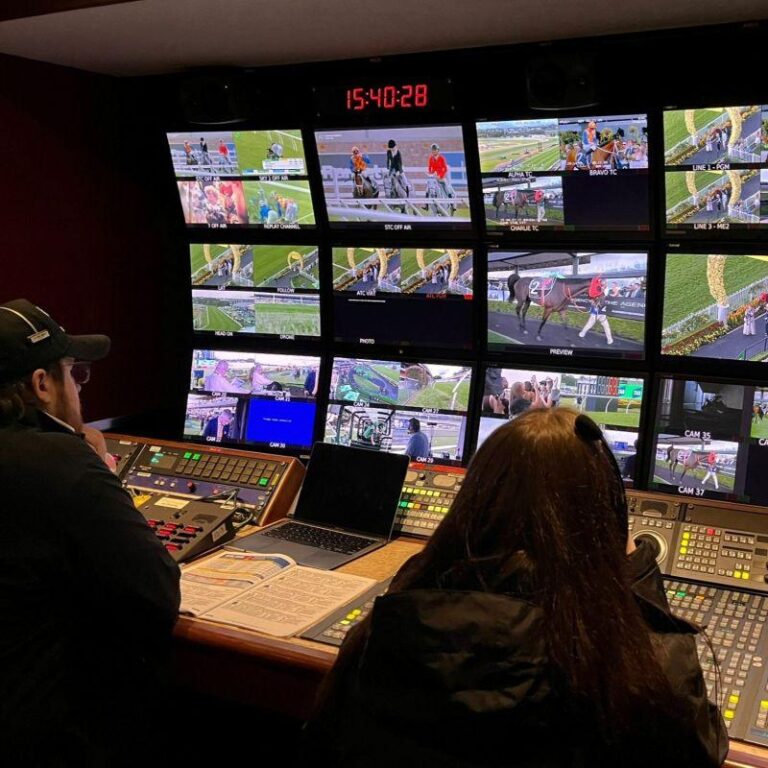
Behind every major horse-racing broadcast is a network of producers, camera operators, commentators, journalists, photographers, editors, data specialists and digital teams working to turn several minutes of competition into a complete media event.
The modern horse-racing broadcast begins well before the horses arrive at the starting gates.
Production teams typically have to understand the race schedule, prepare camera positions, establish communication systems and coordinate with officials and the racecourse. The operation becomes particularly complicated during major meetings, when several races may be scheduled closely together and thousands of viewers are following developments across television, websites and social media.
For audiences, the result can appear effortless.
A camera follows the field from the opening moments to the finish. The commentator provides a running description. Graphics identify the runners and display timing or other information. Interviews and analysis appear before and after the race.
What viewers do not see is the coordination required to make those elements work simultaneously.
Camera placement is particularly important.
Horse racing is different from many field sports because the action can move rapidly over a large distance. A broadcast therefore relies on multiple viewpoints. Cameras may be positioned near the starting area, along the course, at the final straight and around the winning post.
The objective is not simply to show the horses.
The production team has to create a visual narrative that allows viewers to understand where the field is positioned, which horses are making progress and how the race is developing.
The commentator plays another crucial role.
A race caller must identify runners quickly while describing changes in position as they happen. The commentary has to be informative without overwhelming viewers, particularly when a large field is moving at speed.
Before the race, journalists and analysts provide another layer of information.
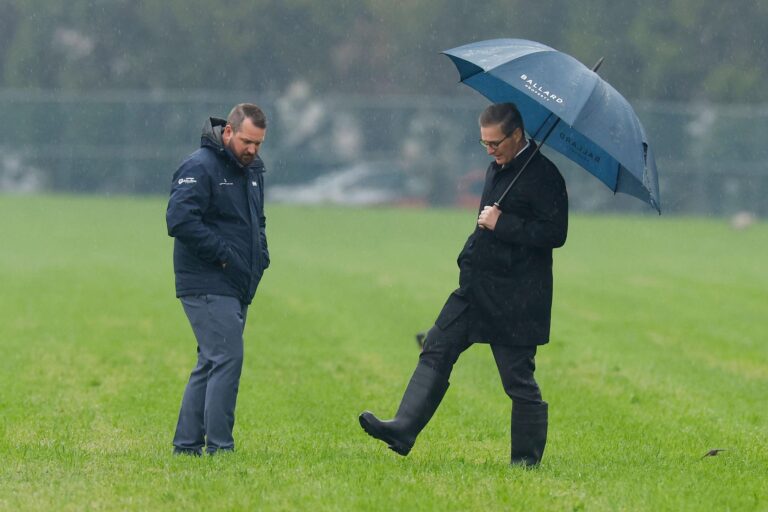
They may discuss recent form, trainer comments, track conditions, jockey changes and the history surrounding a race. After the finish, the focus shifts to the result, reactions and what the outcome could mean for the horses and connections.
This is where traditional journalism and live broadcasting increasingly overlap.
A modern racing media organisation is not simply producing a broadcast. It may simultaneously be publishing a written race report, updating a website, distributing photographs, posting short-form video and managing social-media channels.
The rise of digital platforms has changed the speed of racing journalism.
In the past, a major story could wait until the next day’s newspaper. Today, the basic facts can appear online almost immediately. Within minutes, a race winner may become the subject of interviews, social posts, video clips and analysis.
Speed, however, has created a new editorial challenge.
Media organisations have to balance the demand for immediate information with accuracy. Results, times, horse names, jockey names and other details need to be checked before being published across multiple platforms.
Photography remains an important part of that process.
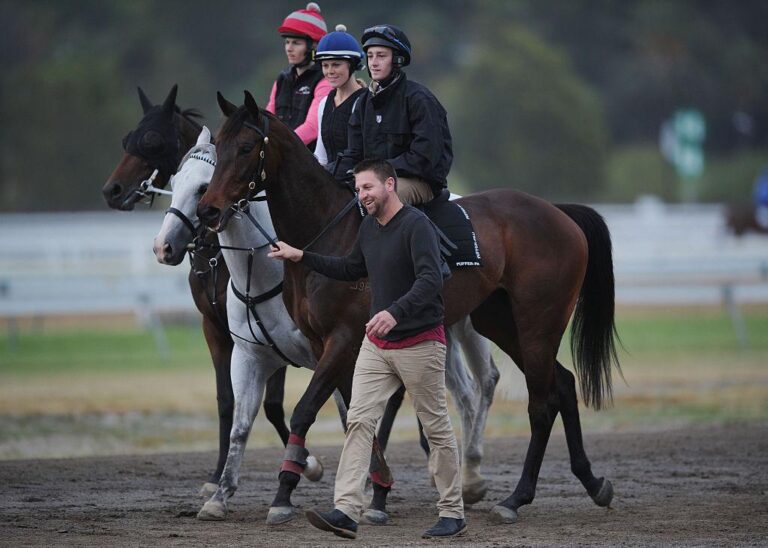
A single race can generate hundreds of images, but the strongest photographs often tell a story beyond the result. A jockey preparing before the race, a trainer watching from the rail, stable staff caring for a horse or an emotional reaction after the finish can all become part of the broader narrative.
Video has expanded that storytelling even further.
Short clips from the paddock, interviews with connections, behind-the-scenes footage and post-race reactions can attract audiences who may not watch an entire race meeting.
That means racing media is increasingly operating on two timelines.
The first is the live event itself.
The second is the continuous digital conversation surrounding it.
A major racing meeting may therefore produce content for television, websites, newspapers, podcasts, social networks, streaming platforms and video channels at the same time.
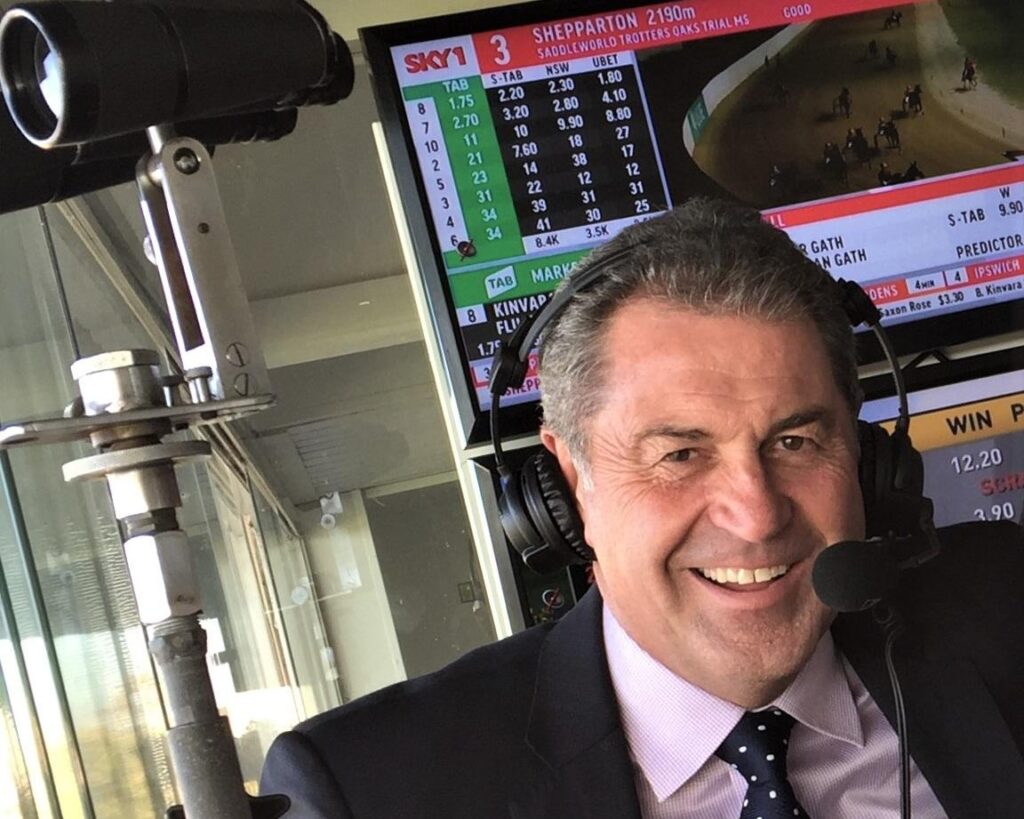
Commercial interests are also deeply connected to this operation.
Sponsors may receive exposure through broadcasts, digital graphics, interviews, social-media content and branded segments. Race meetings provide media companies with opportunities to sell advertising around an audience that is highly engaged with the event.
The challenge is maintaining credibility while operating in a commercial environment.
Audiences expect racing journalism to provide accurate results and meaningful reporting. Racing organisations and commercial partners, meanwhile, need exposure and promotion.
The strongest media operations have to manage both responsibilities.
Technology is adding another dimension.
Live data, automated graphics, digital timing and rapid video editing allow media teams to produce more information at greater speed. A race can be analysed almost immediately after the horses cross the line.
The result is a transformation in what it means to cover horse racing.
Media is no longer simply the mechanism through which a race is reported.
It has become part of the event itself.
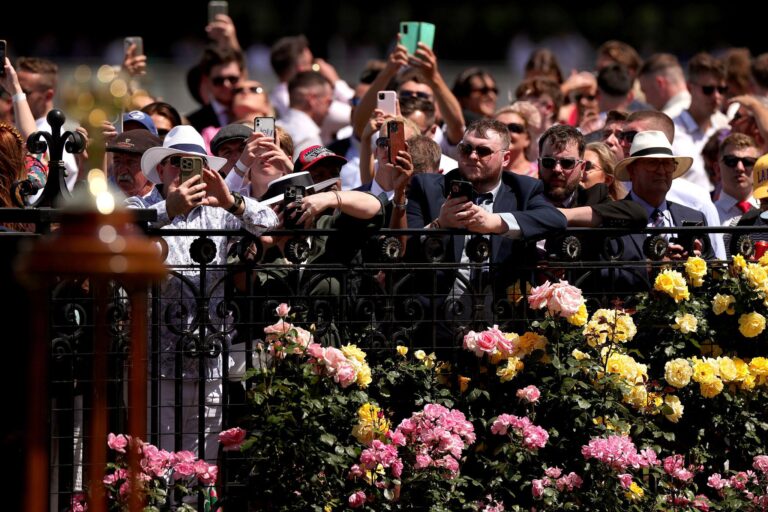
For many fans, the racecourse is experienced primarily through the media. They may never stand beside the track, but cameras, commentators, journalists and digital platforms effectively bring the course into their homes.
The horses still provide the action.
But it is the media operation that turns that action into a story that can travel far beyond the racecourse.